Sisal, Yucatán: A Quiet Gulf Port One Hour from Mérida
The port that gave sisal fiber its name is a fishing town of about 2,000 people, with its Pueblo Mágico title under review and half its homes in temporary use in 2020.
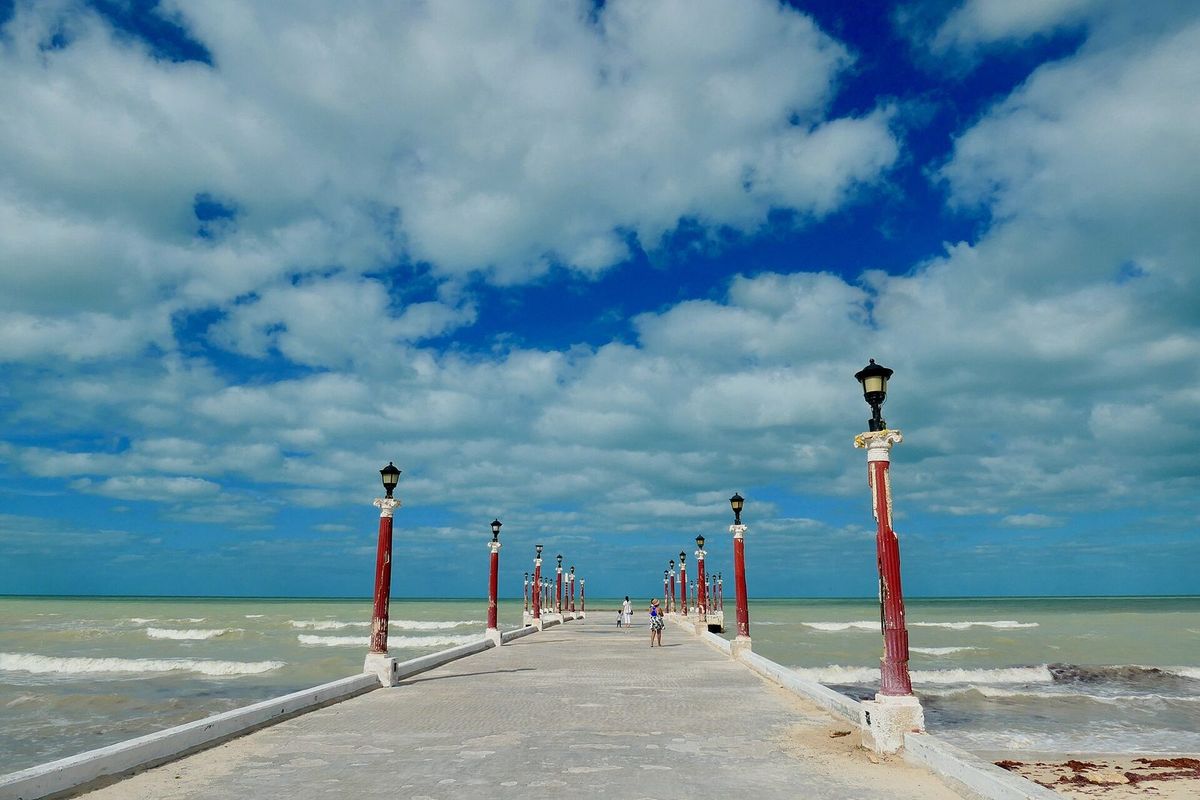
Sisal, Mexico, is a small Gulf port about 53 km (33 miles) from Mérida, roughly an hour by car via Hunucmá. Expect a long calm beach, pier, fort, lighthouse and mangrove wetland in a town of 2,078 (2020 census). A direct bus leaves Terminal Noreste, with the last published ride back at 19:00 (January 2026). Bring cash and check water notices: red tide reached Sisal in August 2025.
On this page
- What is Sisal? The town, the fiber and the mix-ups
- Getting there from Mérida
- Sisal beach and the pier
- The fort, the lighthouse and the old customs house
- The history of Sisal: the port that named a fiber
- The wetland: flamingo season and birds
- Sisal's Pueblo Mágico title and the land dispute
- When to go
- What it costs
- Where to eat and stay in Sisal
What is Sisal? The town, the fiber and the mix-ups
Residents blocked the main access to Sisal on 28 October 2026 during a local land dispute; as of 31 October 2026 we found no report of how it ended, so confirm the road before leaving.
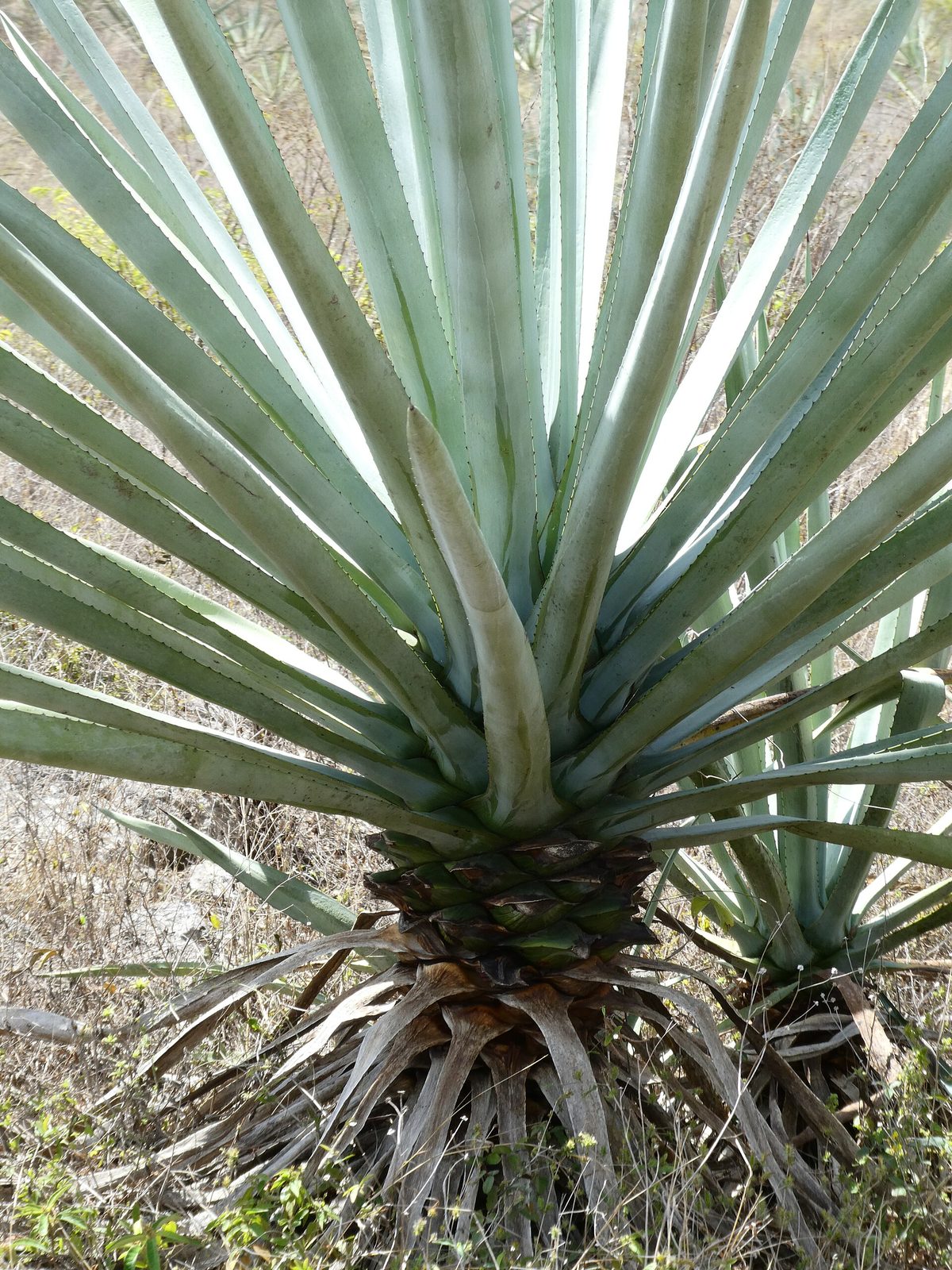
If you came here for rope or rugs: natural sisal is an agave fiber, and it takes its name from this port, which shipped Yucatán's henequén abroad. The Yucatán plant is henequén (Agave fourcroydes); "true" sisal is its close relative Agave sisalana.
Other common mix-ups:
- Sisal is outside Mérida. The port sits about 53 km (33 miles) from the Plaza Grande, and Mérida has no beach. It belongs to Hunucmá municipality, and the press calls it a comisaría, a local subdivision (El Universal, July 2021; Por Esto, 2024).
- Valladolid has a Sisal too. That one is a city district with the Convent of San Bernardino, about 215 km away by road.
- Celestún is a separate town. Both border the El Palmar wetland and both sell flamingo trips, but Celestún is 85 km away by road.
Sisal suits a quiet beach day with birds and some history. It's a poor fit if you depend on an ATM or a late trip back without a car.
Getting there from Mérida
By car it's about 53 km and close to an hour from Centro (52.6 km and 59 minutes in free-flowing traffic on the OSRM route planner, 30 October 2026). Sectur's 2020 figure of 70 km doesn't match the route. Take the Tetiz/Hunucmá exit from the Periférico, follow signs to Hunucmá and continue to Sisal. Fill up in Hunucmá, since we could not confirm a gas station in Sisal, and download your map: Visit Sisal reports patchy signal (July 2026).
Street parking near the beach and malecón is free, and a paid lot near the town entrance runs about MX$20-30 a day. Lots fill by 10:00 or 11:00 on weekends and holidays (local guides, 2026).
Without a car, you're on the bus schedule. We found no Va y Ven route and no official timetable, and Sisal Expeditions warns that schedules change often.
| Option | Where | When | Fare |
|---|---|---|---|
| Direct bus Autobuses Oriente, 1 hour | Terminal Noreste, Calle 67 x 50 y 52 (Yucatán Today writes Calle 50 x 65 y 67, so confirm the door) | Out 8:30 and 17:00, plus 12:30 Sundays. Back 6:00, 11:00 and 19:00, plus 18:00 Sundays (Yucatán Today, January 2026) | About MX$45 (yucatan.guide, June 2026) |
| Colectivo to Hunucmá | Calle 64 at 65, Centro | When full, roughly 5:00-21:00, Sundays to about 20:00 (Sisal Expeditions, read Oct 2026) | MX$18-40 (Jul 2024-Jul 2026) |
| Combi to Sisal, 20 min | Beside the church, facing Hunucmá's main park | When full, roughly 6:30-18:00 (Jul 2024) | MX$18-30 (Mar 2024-Jul 2026) |
| Private taxi | Mérida | By arrangement | MX$350-600 one way; MX$800-1,000 round trip with waiting (local guides, June 2026) |
Work backward from the last ride. Combis to Hunucmá stop around 18:00, and the last direct bus leaves at 19:00 (7 pm). Sundays add an 18:00 bus and we could not confirm whether the 19:00 runs that day, so on Sundays treat 18:00 as your last bus. Check when you arrive, and don't count on Uber for the return, because sources disagree on whether it works here. More in Mérida without a car.
Once you're in town, everything central is about a 10-minute walk, mototaxis run about MX$20-50 a ride and bicycles MX$80-150 a day (Visit Sisal, read October 2026).
Progreso is 80.7 km and 81 minutes by road, because the route planner finds no drivable coast road east of town. Celestún is 85 km and 88 minutes. There's no airport in Sisal: fly into Mérida, 54.8 km and 64 minutes away.
Sisal beach and the pier
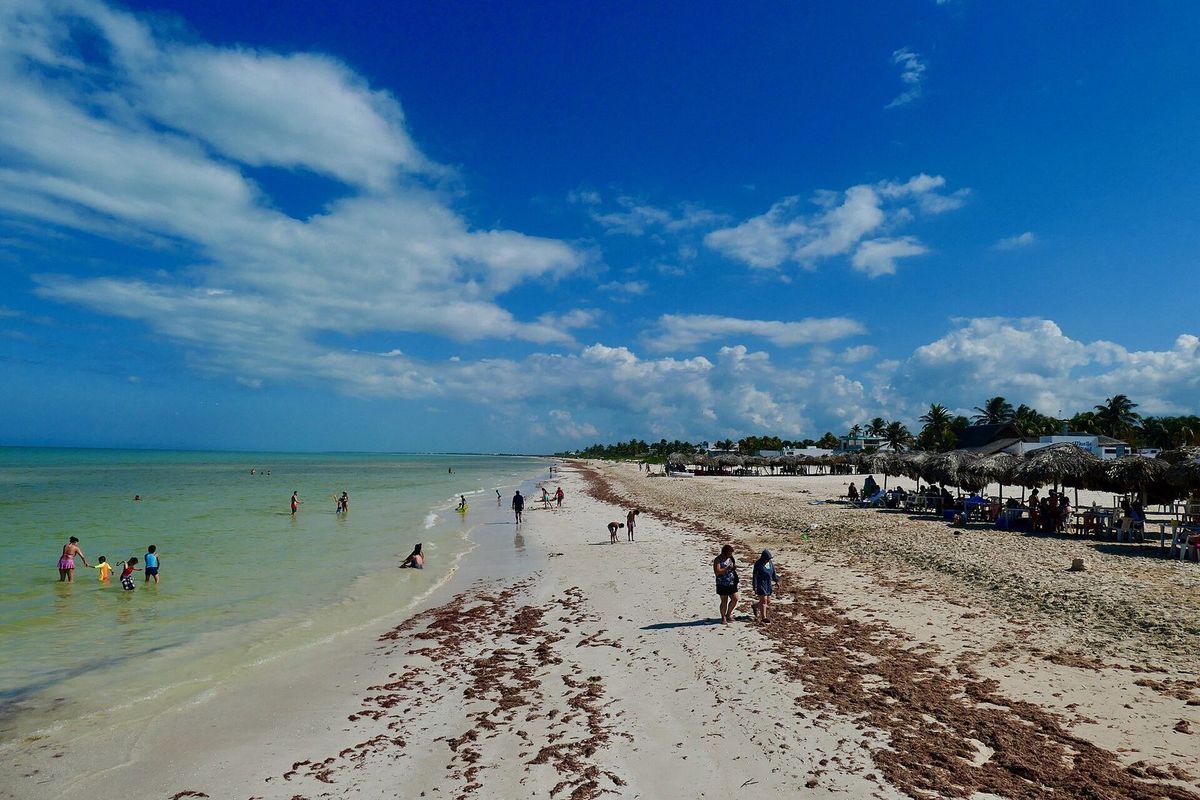
The beach is long, wide and calm, with shells on the sand (Yucatán Today, January 2026). Palapas run about MX$150 a day by that guide's count and about MX$250 by Yucatán Magazine's (April 2026), which adds that many small places don't take cards. No source confirms lifeguards. Our beach towns guide compares Sisal with the rest of the coast.
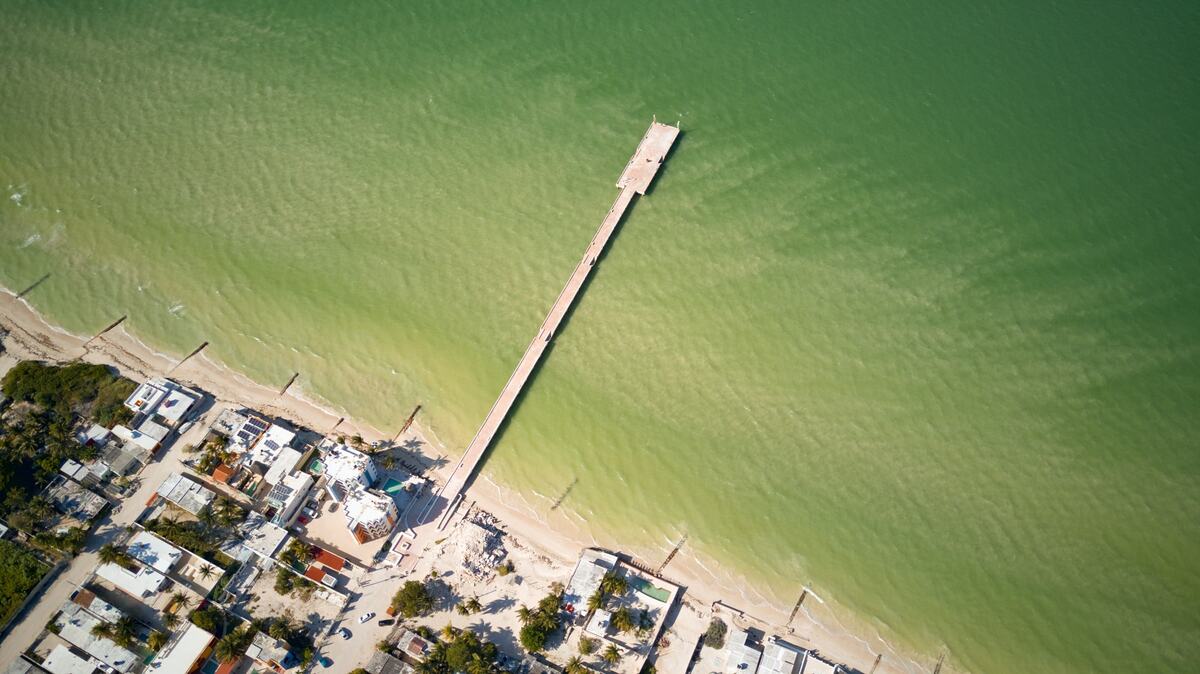
The pier, about 160 m long on OpenStreetMap, has the SISAL sign and ice cream stands at its entrance and is popular at sunset (Yucatán Today, January 2026). Its condition after Hurricane Milton in October 2024 is still an open question.
The water: red tide, seaweed and test results
Red tide reached Sisal in August 2025. As of 31 October 2026 we found no 2026 event at Sisal and no notice declaring the 2025 one over. That is an absence of reports, so don't read it as an all-clear. The record:
- 12 August 2025. The state committee declared the event, with a sanitary closure up to 40 km offshore and advice to stay out of the sea (Por Esto, 12 August).
- 14 August. Dead fish were on Sisal's shore, and the governor confirmed it had reached the port (Por Esto, 14 and 16 August).
- 19 August. The limit was cut to 15 km, between Progreso and Sisal (Por Esto, 20 August).
- 5 September. The committee lifted the sanitary closure and moved the stretch from Chelem to Celestún, which includes Sisal, from red to yellow, a caution flag (Yucatán state government, communiqué 25-1164).
The 2025 advice still works: don't eat fish found dead on the shore, avoid shellfish where the water looks red, and stay out of the sea wherever a notice applies. Contact can irritate skin, eyes and airways, especially in children (Por Esto, 12 August 2025).
Seaweed arrives too, sometimes in heaps. On 3 February 2026 Por Esto reported mounds of dead algae covering several meters of beach after a cold front. It called them sargassum without quoting a scientist, and the species remains unconfirmed. Visit Sisal says sargassum doesn't reach this coast, which that report contradicts. POSTA listed Sisal as free of it on 19 August 2026, citing state reports.
Water tests look good but only measure bacteria. Cofepris rated Playa Sisal suitable in samples from 26 February to 6 March 2024 (14 NMP of enterococci per 100 mL). The summer 2026 result is still missing.
The fort, the lighthouse and the old customs house
As of 31 October 2026 we could not confirm hours, fees or interior access for any of these buildings, so plan on seeing them from the outside.
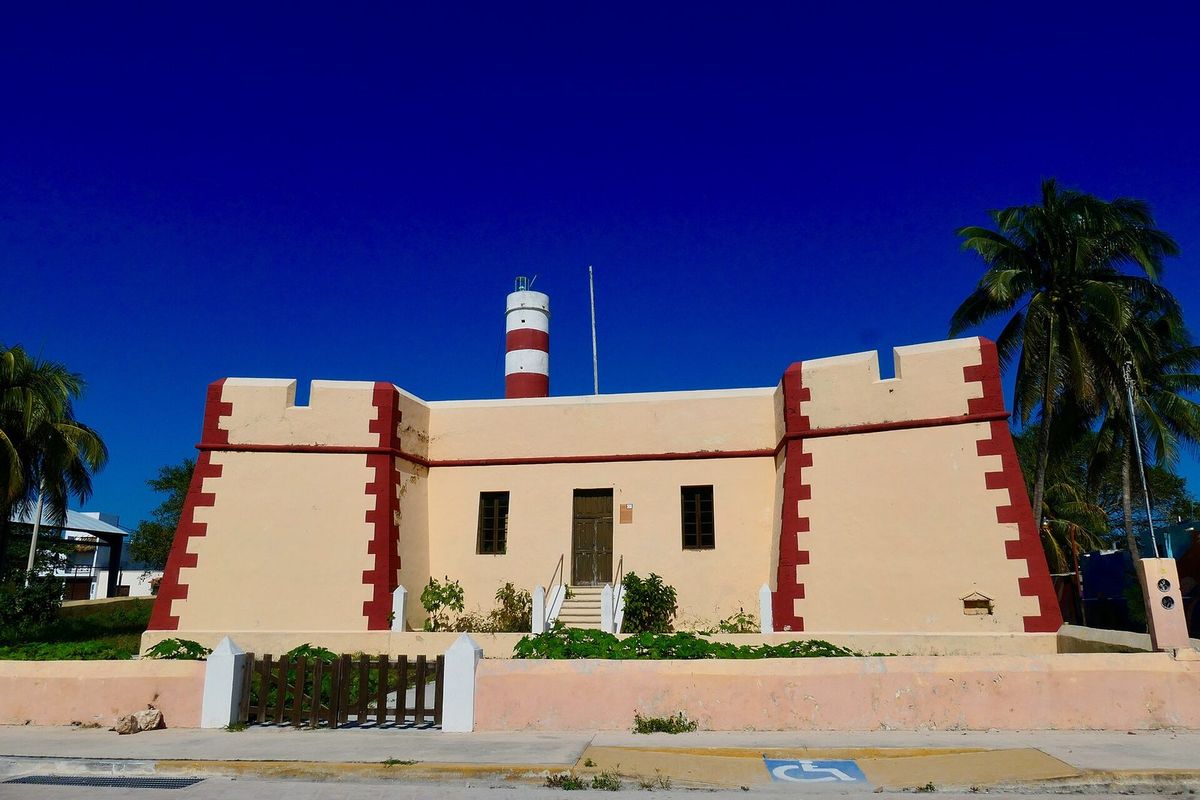
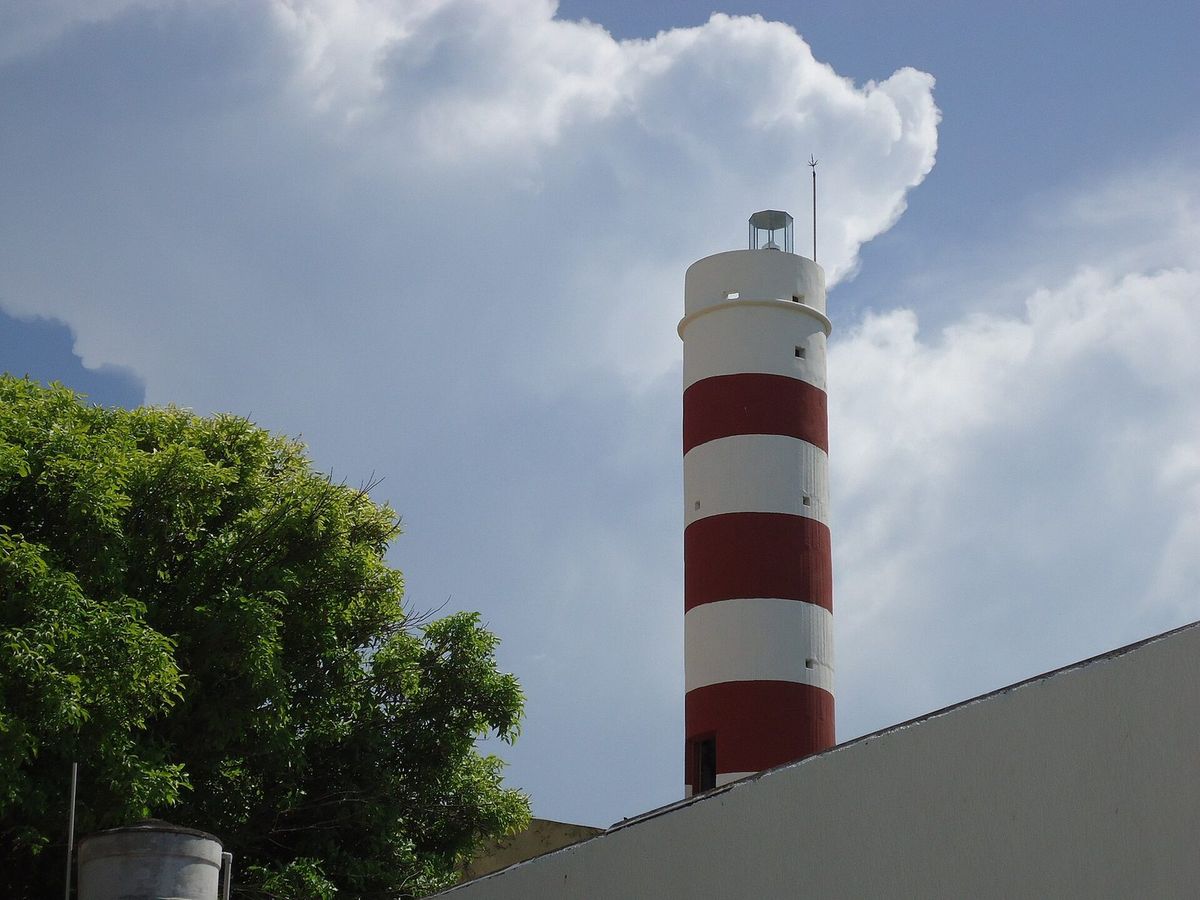
The Fuerte de Santiago was built against pirate raids, according to the state, and Diario de Yucatán mentioned eight cannons and guided tours in July 2024. OpenStreetMap calls it San Antonio and Visit Sisal calls it San Felipe; Sectur and the state say Santiago. The lighthouse was added to it in 1845, according to UNAM, and sources conflict on whether you can climb it.
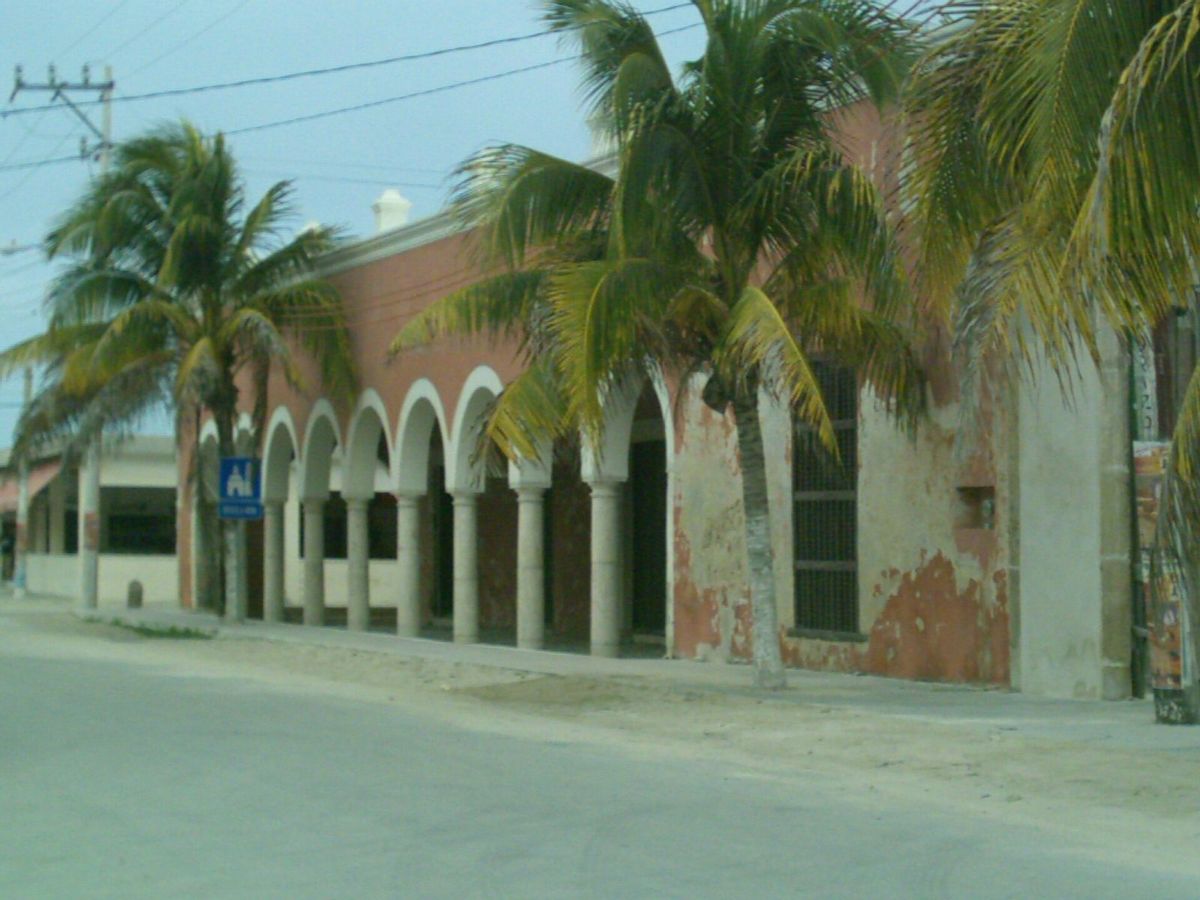
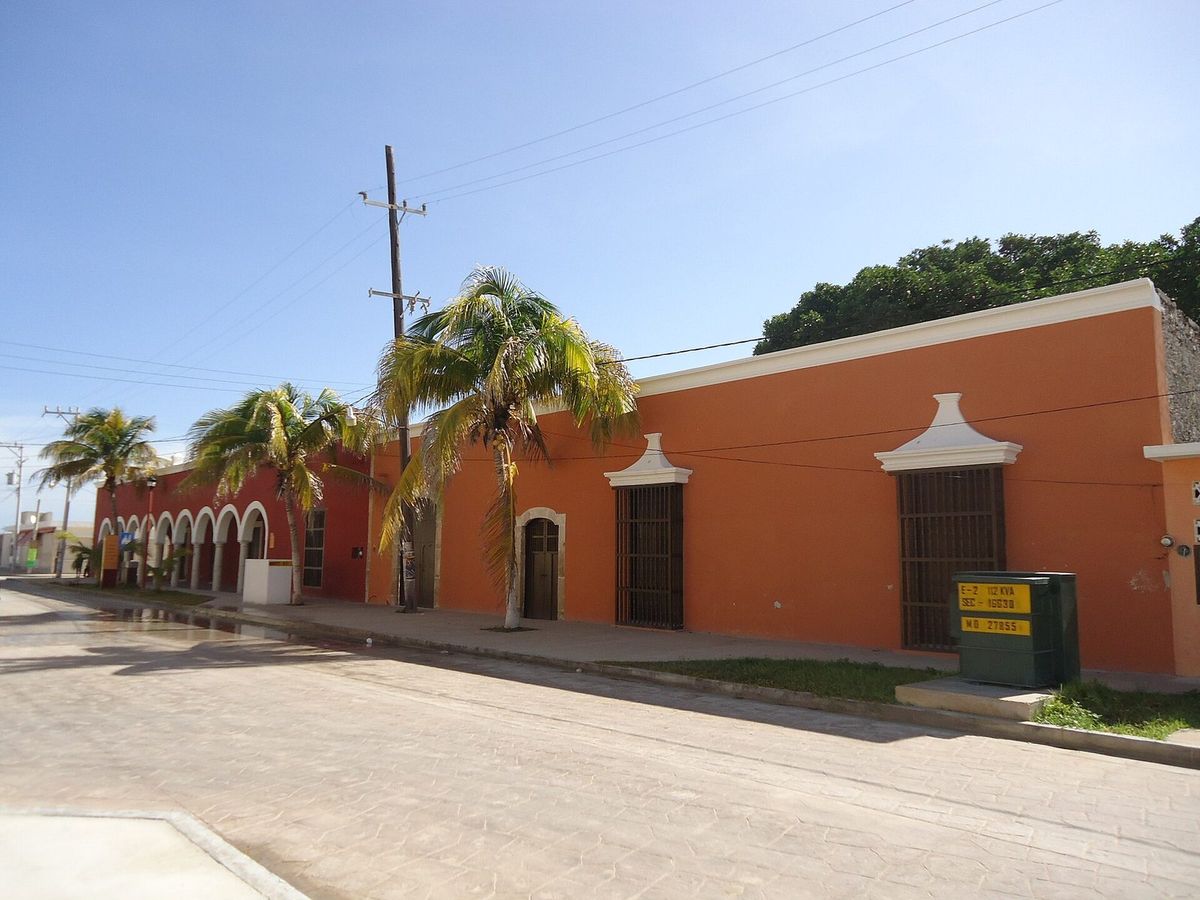
The old customs house still stands, with a marble plaque to Empress Carlota. A museum was announced for 2026, but on 15 September 2026 Reportur quoted Darío Flota of the state tourism office: the state had yet to receive the building from INAH to adapt it. Don't count on it being open.
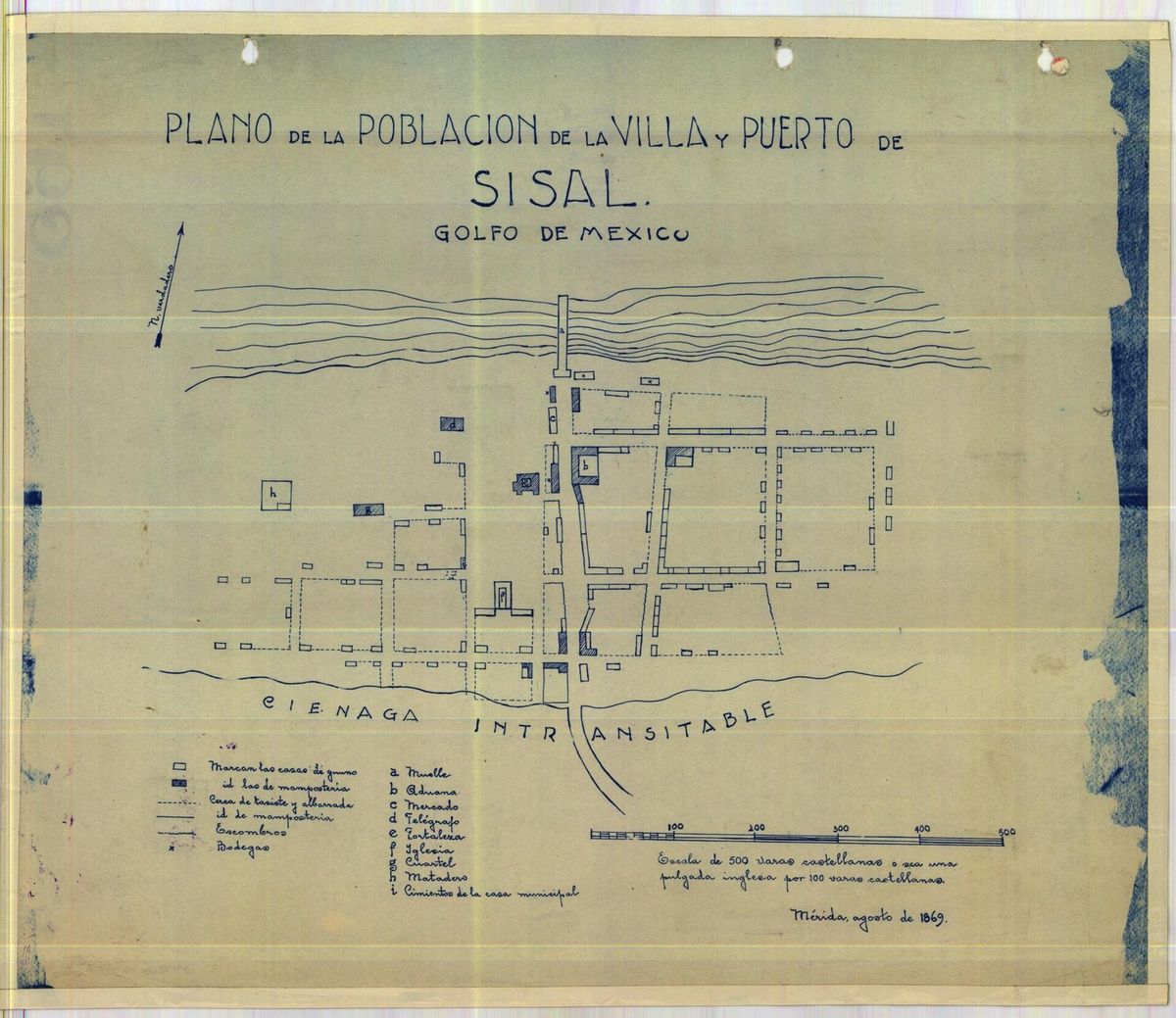
On 22 November 1865 the steamer Tabasco anchored off Sisal with the empress aboard, and she stayed in the Spanish consulate's building. Ten days earlier the Mérida-Sisal telegraph had opened, the first line in the peninsula. An 1869 town plan shows the port then, with a strip behind it labeled "ciénaga intransitable", the impassable swamp.
The history of Sisal: the port that named a fiber
INAH dates Sisal's anchorage to 1585, the nearest to Mérida in colonial times. Its formal opening came with a royal order of 13 February 1810, and it became a minor port on 3 March 1811.
Henequén shipped from here took the port's name, and accounts credit the marks on the shipments. Deep-water Progreso later took over, and the maritime customs house moved there in 1871, according to INAH, which left Sisal a fishing port.
La Unión and the sale of Maya people to Cuba
This part is a documented crime, set out in Glifos, an INAH journal, in 2021. During the Caste War, captured Maya were sold to Cuban plantations. A decree of 6 November 1848 allowed "rebel" prisoners to be expelled, and captives were taken to Sisal by night to board steamers of the Zangroniz company. President Juárez banned the traffic on 6 May 1861.
In late October 1860 the steamer La Unión was caught in Sisal's roadstead with 30 Maya being rowed out to it, among them children of seven to ten. On 19 September 1861 the same Spanish paddle steamer caught fire and exploded just after leaving for Havana, and sank off the port.
INAH's underwater archaeology unit recorded the wreck in 2017, about 2 km from the harbor in 3-6 m of water, and calls it the first wreck identified in Mexico linked to the sale and transport of enslaved Maya people to Cuba. Its own word for the evidence is "indicios", or signs, and it does not say captives were aboard on the day she sank.
Some operators sell a shipwreck on snorkel trips, and Hunucmá's tourism director says they are starting to add La Unión (The Yucatan Times, 17 August 2026). We can't confirm that the wreck on offer is this one, or that visits are authorized.
The wetland: flamingo season and birds
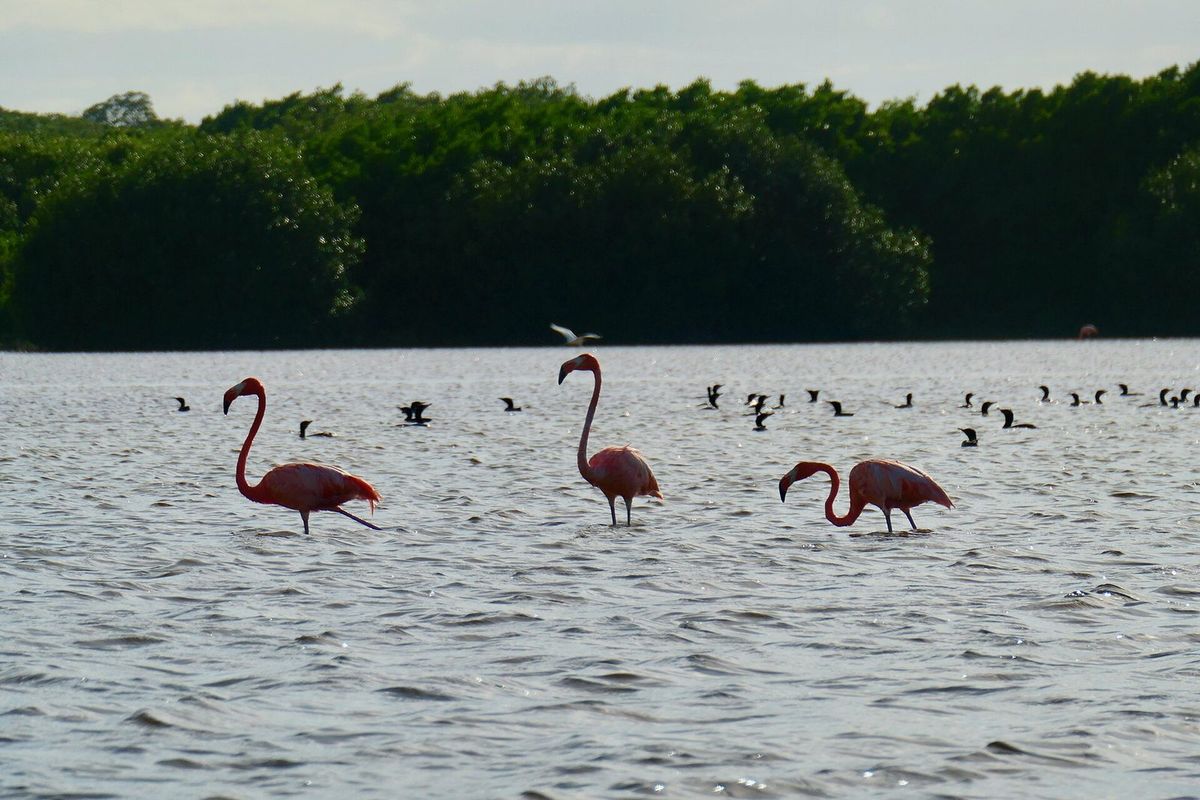
Sisal has no reliable flamingo calendar. Por Esto said on 5 March 2026 that birds are around all year in smaller numbers, and the same outlet reported thousands in late February 2026 from an operator's video. Operators sell trips year-round and sources disagree on peak months. Nothing we read from CONANP, the state or Pronatura documents nesting here. Ask the week you plan to go.
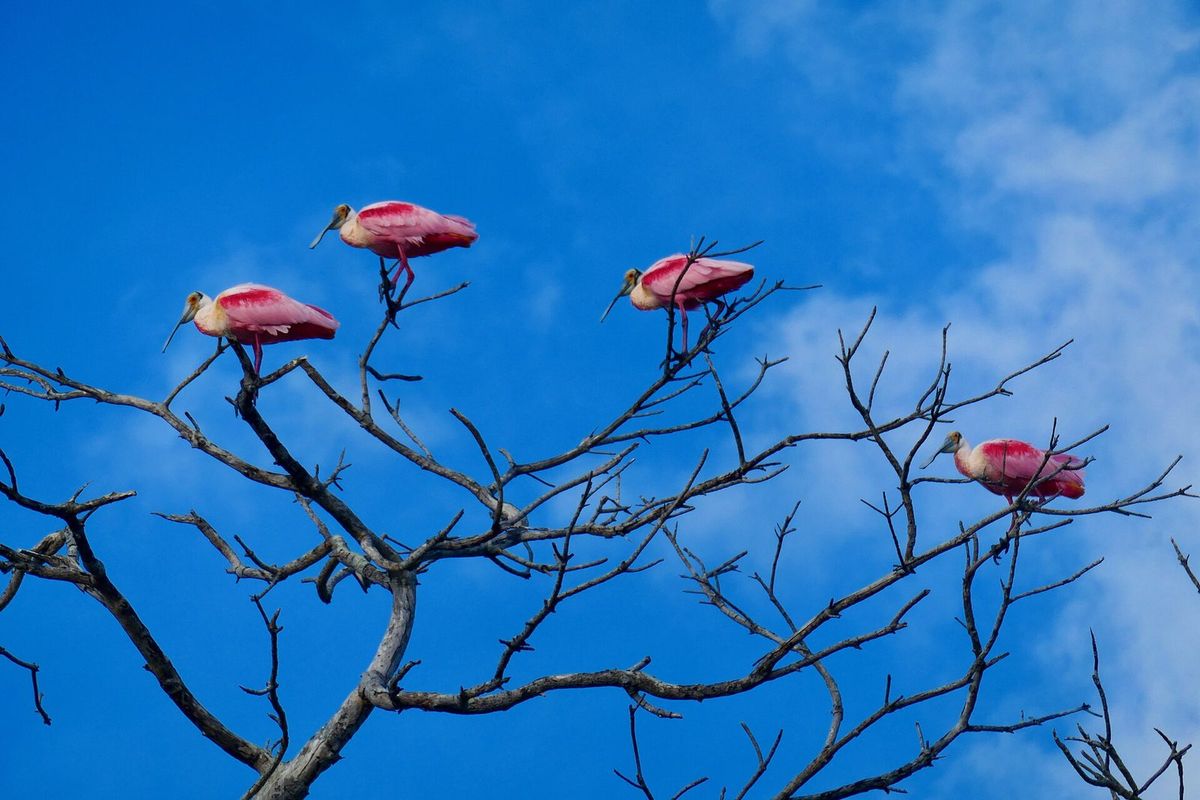
Sisal borders the Reserva Estatal El Palmar, Ramsar site 1328, about 47,000 hectares shared by Hunucmá and Celestún. Photos from December 2019 show roseate spoonbills, brown pelicans, reddish egrets and cormorants (our identifications), and Por Esto reported Mexican Sheartail chicks at Sisal on 29 October 2025, exact spot not given.
Trips last about two hours by boat or kayak with a guide (Yucatán Today, January 2026). Sources name Motoventurs Sisal, Agua del Mar Ecoturismo, Ziz-Ha Tours, Sisal Mágico Tours and Sisal Expeditions (WhatsApp +52 999 225 8441), in no order of preference, and we have not verified anyone's permits. Ask whether the price is per boat or per person: the boat costs a fixed sum, so a couple pays more per head.
Operators also sell freshwater springs such as Carbonera and Dzul Ha. We don't know who may enter, or whether those names mean one spring or two. Keep about 30 m from the birds and don't chase them, as Visit Sisal asks (July 2026).
Swim only where the guide says, and stay out of unguided wetland water. In November 2023 a crocodile over 2 m long bit a tourist cooling off in the Ciénaga de Sisal on an ecotourism outing (Mexico News Daily, 23 November 2023). In March 2025 fishermen warned of crocodiles near the Puerto de Abrigo and on the west side of the ciénaga (Por Esto, 17 March 2025). On 14 August 2026 Por Esto reported a large one close to the beach, with bathers leaving the water. If you see one on shore, keep your distance.
Sisal's Pueblo Mágico title and the land dispute
Sisal has been a Pueblo Mágico since 1 December 2020 and is one of seven in Yucatán. The state tourism office cited its beaches, mangroves, the El Palmar reserve and its past as a colonial port (POSTA, 1 April 2025). Residents say they were not consulted, and on 5 July 2021 protesters blocked the pier walkway to demand the title be revoked (Corriente Alterna, UNAM, April 2022).
The title is under review, and as of 31 October 2026 we found no report that Sisal has lost it. Darío Flota of the state tourism office said it could (POSTA, 1 April 2025). Federal tourism secretary Josefina Rodríguez put it differently on 18 March 2026: no new titles that year, and all 177 towns under evaluation with no aim of stripping titles (Diario del Yaqui). Three months later, on 15 June, the head of the national association of Pueblo Mágico committees said results were expected toward the end of the year and that some titles could be withdrawn (XEVT). Effeta reported tiers in November 2025, and Sisal's appears in nothing we read.
Of Sisal's 1,468 dwellings in 2020, 604 were inhabited and 738 (50.3%) were for temporary use, for 2,078 residents. The land argument has reached the road before. About 100 residents closed the town access on 11 March 2025 during a federal visit over destroyed mangrove (Heraldo de México Yucatán, 11 March 2025). On 17 May 2025 residents closed the entrance with logs until after midnight (Por Esto, 18 May 2025).
Rules for foreign buyers in the restricted zone are covered in buying property in Mérida.
Is Sisal safe? What the numbers cover
In 2025 Hunucmá municipality, which includes Sisal, logged 89 ordinary-crime case files, no intentional homicides and one femicide (SESNSP via elcri.men, an independent copy of the official data). That count covers the whole municipality, and 92.6% of crimes in Yucatán never reach a case file (ENVIPE 2025), so it doesn't measure safety in the port. For the wider picture, see is Mérida safe and our crime statistics.
When to go
November to March is the comfortable stretch. April and May reach 34°C (93°F), and June is the wettest month. Semana Santa and July-August are the busy peaks, with hard parking near the beach, while other weekdays are quiet (Yucatán Today, January 2026; Visit Sisal, July 2026).
Sisal has its own national weather service (SMN) station. It's much drier than Mérida (635.7 mm a year against 927.2 mm at the city's C.I.C.Y. station), and its highs run about 2°C cooler in October and November. For the city, see the best time to visit Mérida.
| Month | Average high | Average low | Rain mm |
|---|---|---|---|
| Jan | 28.1°C/83°F | 18.8°C/66°F | 25.7 |
| Feb | 30.0°C/86°F | 19.5°C/67°F | 15.6 |
| Mar | 31.7°C/89°F | 20.3°C/69°F | 16.4 |
| Apr | 34.0°C/93°F | 22.0°C/72°F | 17.1 |
| May | 34.2°C/94°F | 23.1°C/74°F | 32.2 |
| Jun | 33.6°C/92°F | 23.1°C/74°F | 118.4 |
| Jul | 33.2°C/92°F | 23.2°C/74°F | 56.3 |
| Aug | 33.3°C/92°F | 23.5°C/74°F | 80.4 |
| Sep | 33.1°C/92°F | 23.4°C/74°F | 101.7 |
| Oct | 31.2°C/88°F | 23.0°C/73°F | 94.0 |
| Nov | 29.5°C/85°F | 21.1°C/70°F | 45.5 |
| Dec | 28.2°C/83°F | 19.5°C/67°F | 32.4 |
| Year | 31.7°C/89°F | 21.7°C/71°F | 635.7 |
Nortes, the winter cold fronts, have brought seaweed and Portuguese man o' war: two children were treated on this beach on 22 December 2024 (Por Esto, 23 December 2024). Don't touch one on the sand. Hurricane season runs 1 June to 30 November. When Milton passed offshore in October 2024, UNAM's Sisal tide gauge read 76 cm of storm surge. See our hurricane guide.
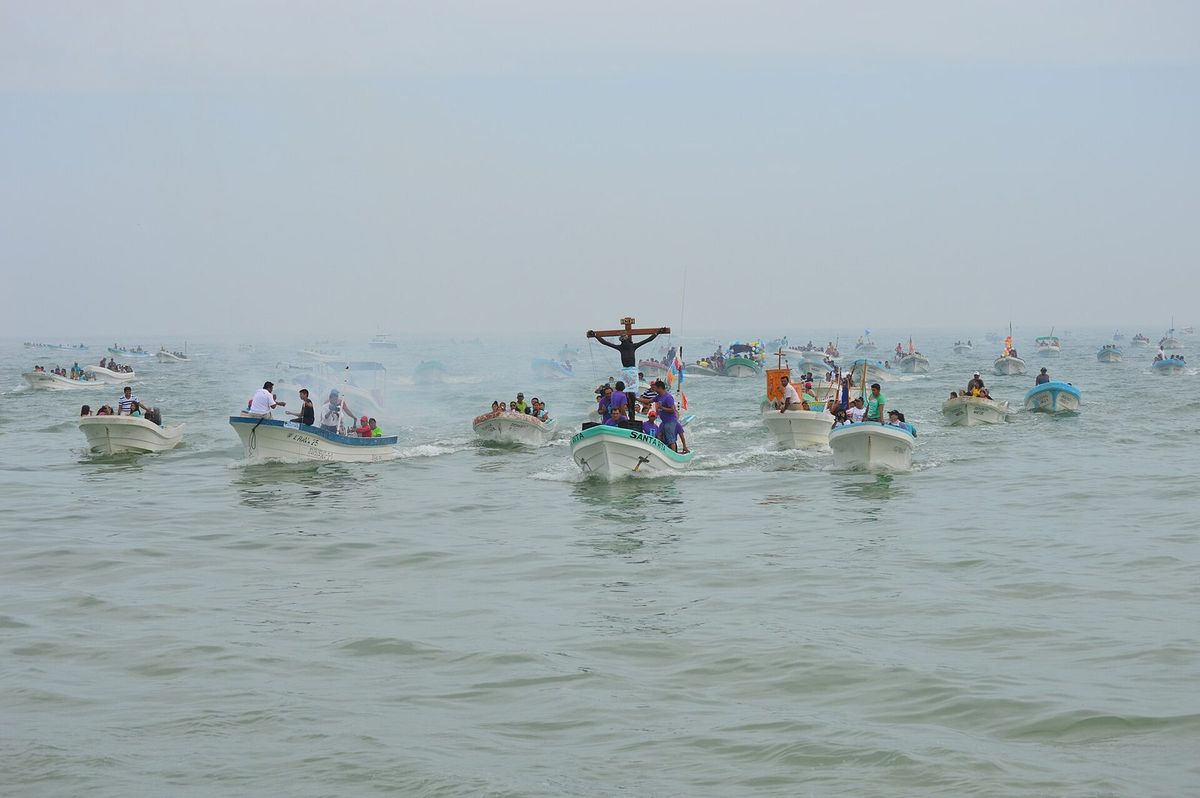
The date to plan around is 30 August, when the Cristo Negro de Sisal goes out in a boat procession, according to Por Esto (31 August 2026). In 2026 that was a Sunday, the closing day of the festivities (Yucatán Today, July 2026), so confirm the date each year.
What it costs
From Mérida you'll pay about MX$45 on the direct bus (yucatan.guide, June 2026), MX$40-70 by colectivo and combi counting both legs, and MX$350-600 each way by taxi (local guides, June 2026). By car, gas runs about MX$120-200 round trip (local guides, June 2026). No guide reports tolls, though none says so firmly. Sisal Turismo, which sells tours, estimates MX$1,500-2,800 in cash for a family of four for a day (June 2026).
| Item | Price | Source and date |
|---|---|---|
| Palapa, per day | MX$150-250 | Yucatán Today, Jan 2026; Yucatán Magazine, Apr 2026 |
| Kayak, 2-hour loop | MX$400-550 per person | Visit Sisal, Jul 2026 |
| Sunset flamingo kayak, 3 hours | MX$600-800 per person | Visit Sisal, Jul 2026 |
| Flamingo boat tour, 1-1.5 hours | MX$350-500 per person in a group of 5-8; MX$600-800 for 2-3 | Visit Sisal, read Oct 2026 |
| Private tour, up to 6 people | MX$2,500-4,000 per group | Visit Sisal, Jul 2026 |
| Restaurant meal, average | About MX$285-350 | Diario de Yucatán, Jul 2024 |
Nothing here was confirmed by phone, and the 2026 rows come from local sites, so read them as ranges.
Bring cash. Sisal Turismo (June 2026) and Visit Sisal (read October 2026) say there's no ATM in town and the nearest is in Hunucmá.
Where to eat and stay in Sisal
Three names recur: Muelle de Sisal, on the beach with showers (Diario, July 2024); Colorines, with a pool (Yucatán Today, January 2026); and La Palapa de Soco (Diario, July 2024). We haven't confirmed any of them. Our Yucatecan food guide covers what to order.
Lodging is mostly rental houses, small posadas and cabins. These names come from the Visit Sisal directory, Sisal Yucatán Rentals and OpenStreetMap, all read in October 2026:
| Place | Type | On the water? | Rate |
|---|---|---|---|
| Hotel Boutique Club de Patos | Boutique hotel | Advertises a Gulf-front setting, 1.3 km from the pier on OpenStreetMap | None found |
| Casa Kinich, Calle 12 | Bungalow | Unconfirmed | About MX$1,500 a night (Diario, Jul 2024) |
| Casa Carlota | Boutique house | No, in Centro | None found |
| Cabañas Ecológicas Sisal; Divino Mare Cabañas | Cabins | Listed as beachfront, no detail per property | On request |
| Casitas de Fini; Cocolitos Departamentos | Apartments | Not stated | On request |
| La Salida del Sol | Hostel | No, about 570 m from the pier on OpenStreetMap | None found |
Visit Sisal's "Guía 2026" (read October 2026) gives about MX$600-1,300 for a posada and MX$1,200-3,000 for a whole house, rising to MX$1,500-2,200 and MX$3,500-6,000 at Semana Santa. Other pages on that site differ, so get the rate directly.
Things to do in Sisal in one day
- 8:30 Catch the Autobuses Oriente bus at Terminal Noreste (January 2026 timetable) and ask at the ticket desk about that day's return.
- 9:30 Arrive in Sisal, walk to the pier and find where your trip leaves from.
- 10:00 Take a guided wetland trip of about two hours, with the price agreed per boat or per person.
- 12:30 Lunch near the pier, paid in cash.
- 14:00 Beach time at a palapa. Check for any water notice before you swim.
- 16:00 Walk past the Fuerte de Santiago, the lighthouse and the old customs house.
- 18:00 On Sundays, take this bus back. Any day, the last combi to Hunucmá leaves around now.
- 19:00 Last direct bus to Mérida on the January 2026 timetable, unconfirmed for Sundays.
Frequently asked questions
How far is Sisal from Mérida?
About 53 km (33 miles), around an hour by car via Hunucmá.
Is there a bus from Mérida to Sisal?
Yes. Autobuses Oriente leaves Terminal Noreste at 8:30 and 17:00, plus 12:30 on Sundays. That's the timetable published in January 2026, so confirm it at the terminal.
What time is the last ride back from Sisal?
The direct bus at 19:00 (7 pm). Sundays add an 18:00 return, and we could not confirm whether the 19:00 also runs that day, so plan on 18:00. Combis to Hunucmá stop around 18:00 (July 2024).
Can I use Uber to get to Sisal?
Don't count on it for the return. Sources disagree on availability, so arrange your ride back first.
What is natural sisal, and is it from here?
It's an agave fiber, and the name is from here. Henequén shipped from this port became known as sisal abroad, though Yucatán's plant is Agave fourcroydes and true sisal is Agave sisalana.
Are there ATMs in Sisal?
Local sites say no, and that the nearest is in Hunucmá. Bring cash.
Is Sisal a good beach for swimming?
Usually. Guides describe a long, wide, calm beach, and Cofepris rated it suitable for Semana Santa 2024. But red tide reached Sisal in August 2025, with dead fish on the shore. The sanitary closure was lifted on 5 September 2025. We found no notice declaring the event over, and no 2026 event as of 31 October 2026. Check notices first.
Where should I stay in Sisal?
Mostly in rental houses, small posadas and cabins. Club de Patos advertises a Gulf-front boutique hotel. Visit Sisal's 2026 ranges run about MX$600-1,300 a night for a posada and MX$1,200-3,000 for a whole house, with far more at Semana Santa (read October 2026). Confirm rates directly.
How we reported this
We compiled this guide without visiting Sisal, using official sources (INEGI, SMN, INAH, Cofepris, UNAM and the Yucatán state government), local press and commercial guides. Facts were checked on 31 October 2026, and no price was confirmed by phone. Still to confirm on the ground: the access road, the bus timetable (especially the Sunday 19:00), access to the fort, lighthouse and customs house, whether the museum has opened, the ATM question, the pier's condition and whether the 2025 red tide was ever officially declared over. We'll add a visit date here once there is one. Spotted something out of date? Tell us.
- INAH, Glifos no. 27: El pecio Vapor La Unión, 1861 (22 Apr 2021)
- INEGI: 2020 census, locality data for Yucatán
- Yucatán state government: Sisal
- SMN-Conagua: climate normals 1991-2020, station 31029 Sisal
- Cofepris: Yucatán beach monitoring, Semana Santa 2024
- UNAM, Servicio Mareográfico Nacional: Hurricane Milton report (9 Oct 2024)
- SESNSP data via elcri.men, independent copy of the official file
- Por Esto: state confirms red tide from Progreso to Celestún (12 Aug 2025)
- Por Esto: red tide reaches the port of Sisal (16 Aug 2025)
- Por Esto: fishing restriction cut to 15 km, Progreso to Sisal (20 Aug 2025)
- Por Esto: seaweed covers Sisal's beach after a cold front (3 Feb 2026)
- Mexico News Daily: tourist survives crocodile attack in Sisal (23 Nov 2023)
- POSTA Yucatán: Sisal could lose its Pueblo Mágico title (1 Apr 2025)
- Diario del Yaqui: Sectur pauses new Pueblos Mágicos in 2026 (18 Mar 2026)
- Yucatán Today: Discover Sisal (1 Jan 2026)
- The Yucatan Times: land dispute and road blockade in Sisal and Hunucmá (29 Oct 2026)
- Yucatán state government: red tide committee lifts the sanitary closure (5 Sep 2025)
- Reportur: new museum planned in Sisal's customs house (15 Sep 2026)
- XEVT: 177 Pueblos Mágicos under evaluation, results toward year-end (15 Jun 2026)
- Yucatán Today: the pilgrimage of the Black Christ of Sisal (20 Jul 2026)
- POSTA: Yucatán beaches free of sargassum (19 Aug 2026)
- Por Esto: fishermen warn of crocodiles in the port (17 Mar 2025)
Get the monthly Mérida brief
Once a month: what changed in the city, with sources. No spam, and you can leave any time.
- What changed in the city
- Figures with their source
- One email a month
Keep exploring
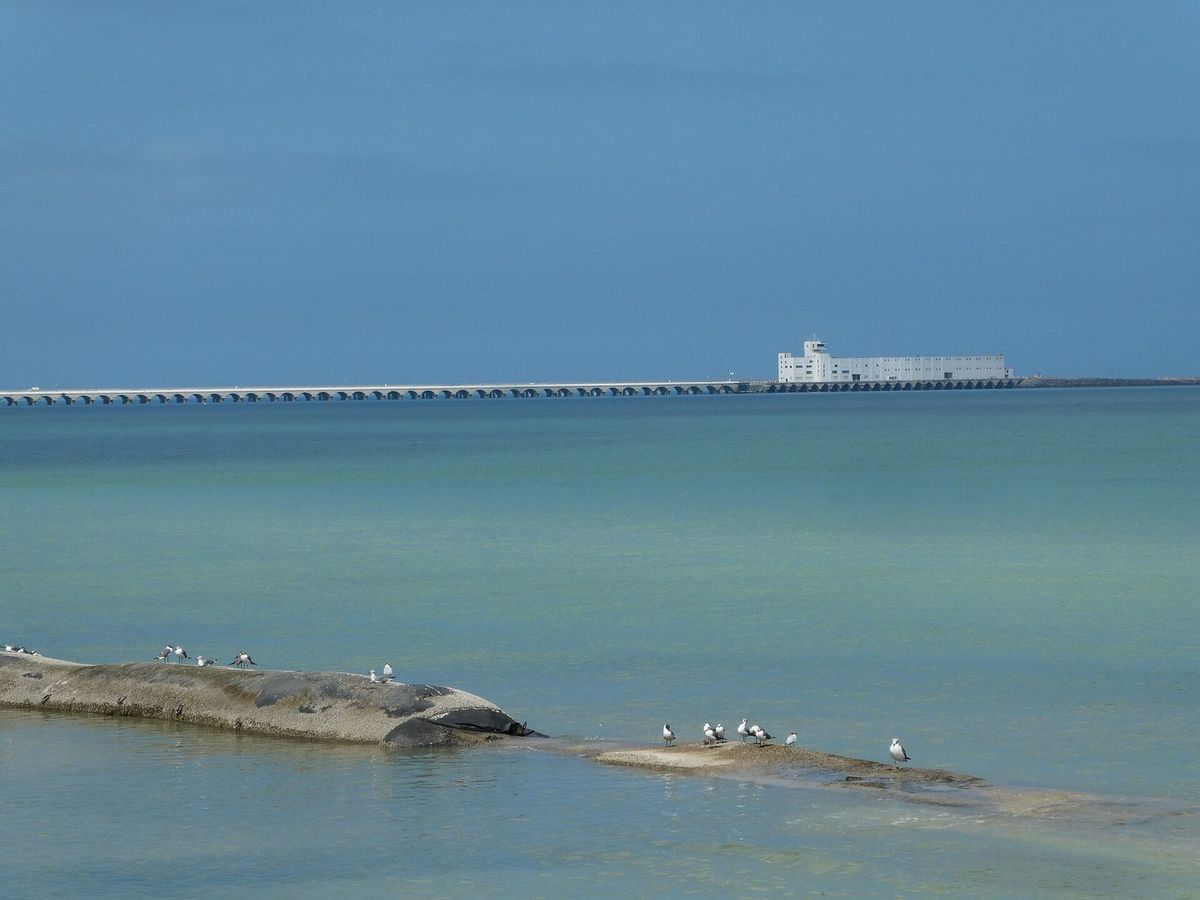
Progreso, Mexico: A Day at Yucatán's Gulf Port and Its 8 km Pier
This guide covers Progreso on Yucatán's Gulf coast, 36 km from Mérida. If you're after the border town across from Progreso, Texas, that's Nuevo Progreso, Tamaulipas, about 1,000 km away.
Read guide →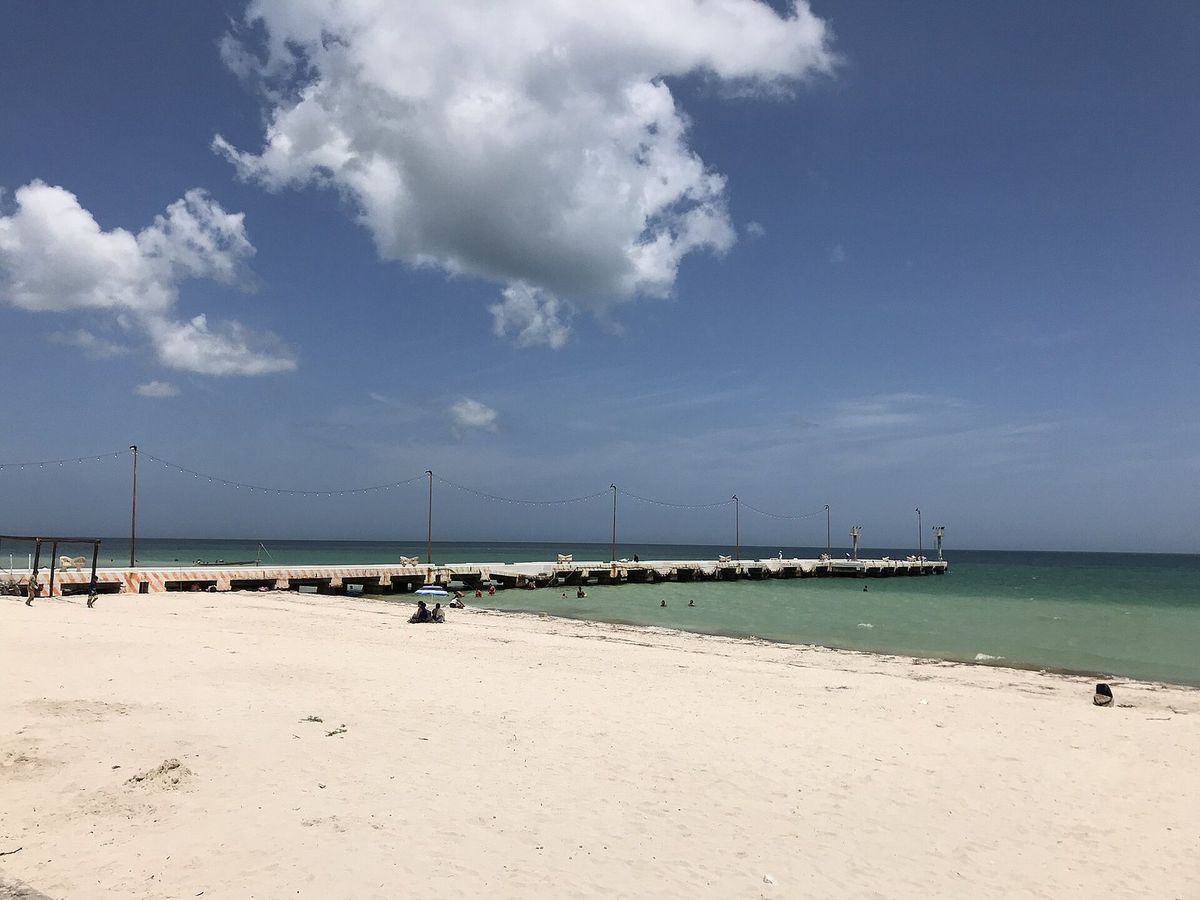
Telchac Puerto: A Day on Yucatán's Quiet Coast
A fishing town with a long pier and shallow Gulf water. Plan the day around getting back: Rome2Rio shows the last bus at 15:30. Every price in this guide carries its date.
Read guide →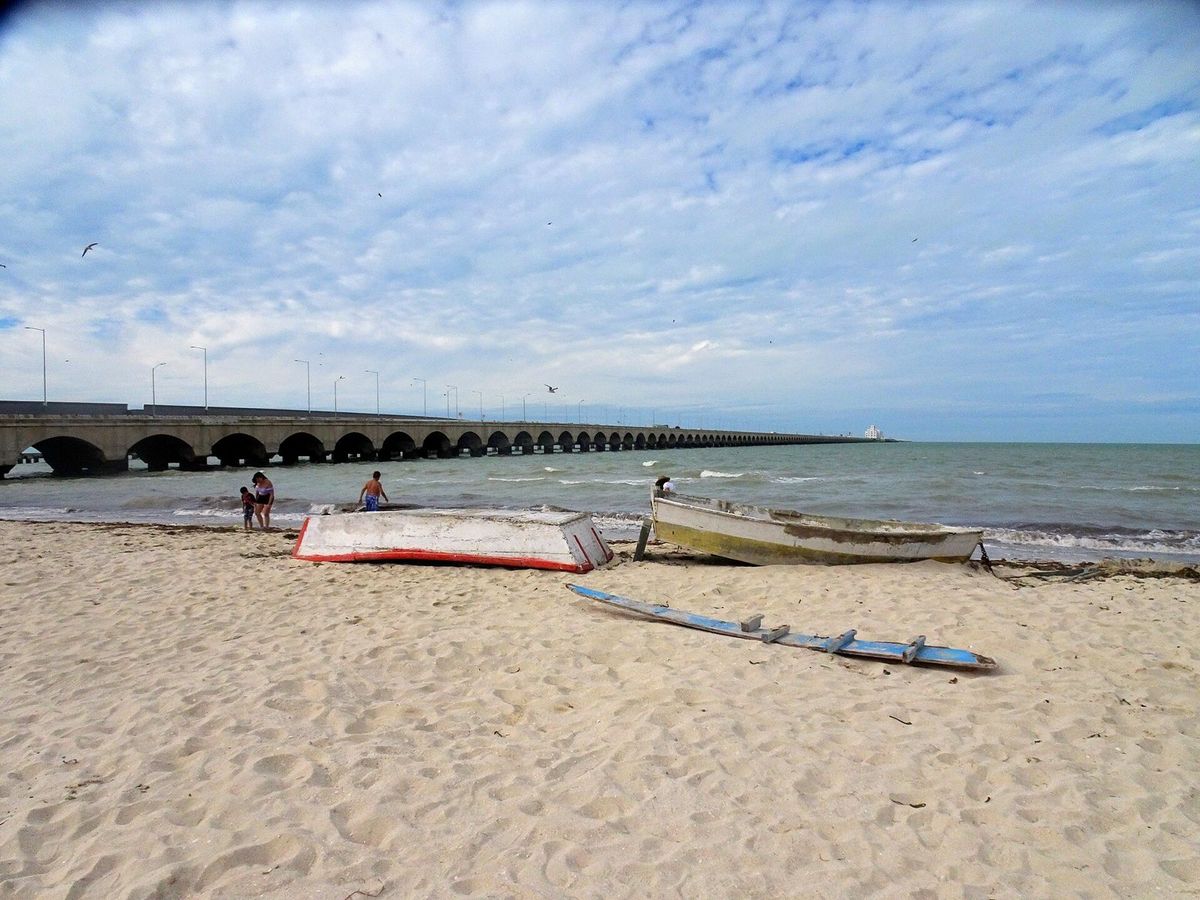
Beach Towns Near Mérida: The Gulf Coast Guide
From Progreso, forty minutes north of the city, to Chicxulub Puerto, Chelem, Chuburná, Telchac Puerto, and Sisal, compared on town character, house prices, and buying with a fideicomiso.
Read guide →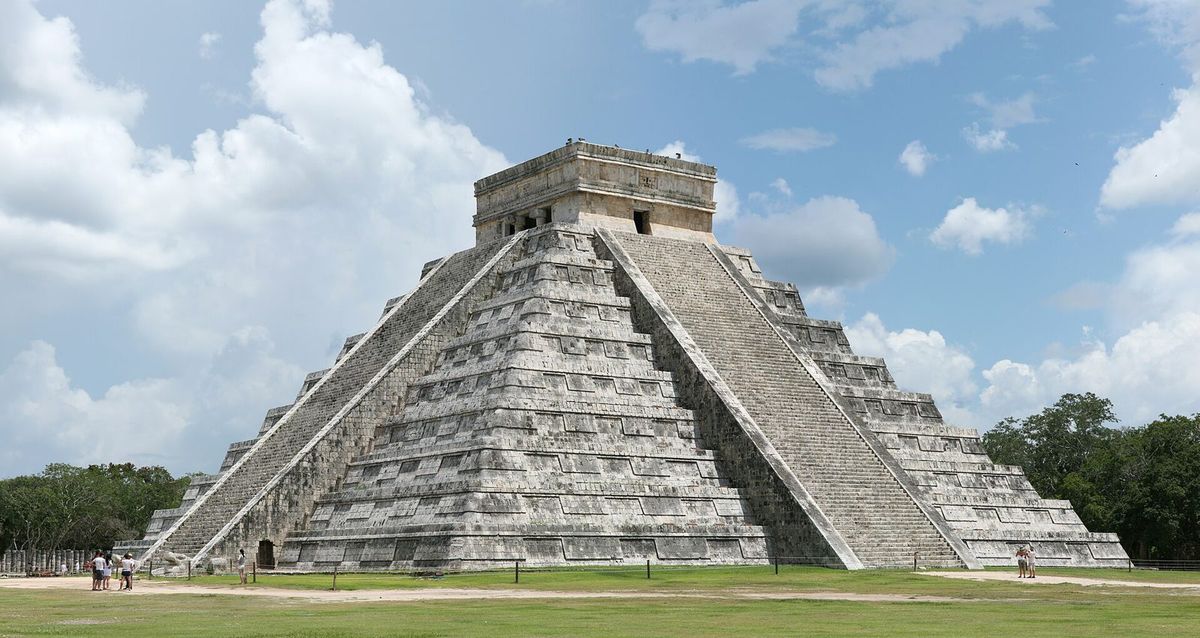
Day Trips from Mérida: Ruins, Cenotes & the Coast
Uxmal and Chichén Itzá, the yellow town of Izamal, swimming holes at Homún, and the Celestún flamingos, all within about 90 minutes by car, bus, or train.
Read guide →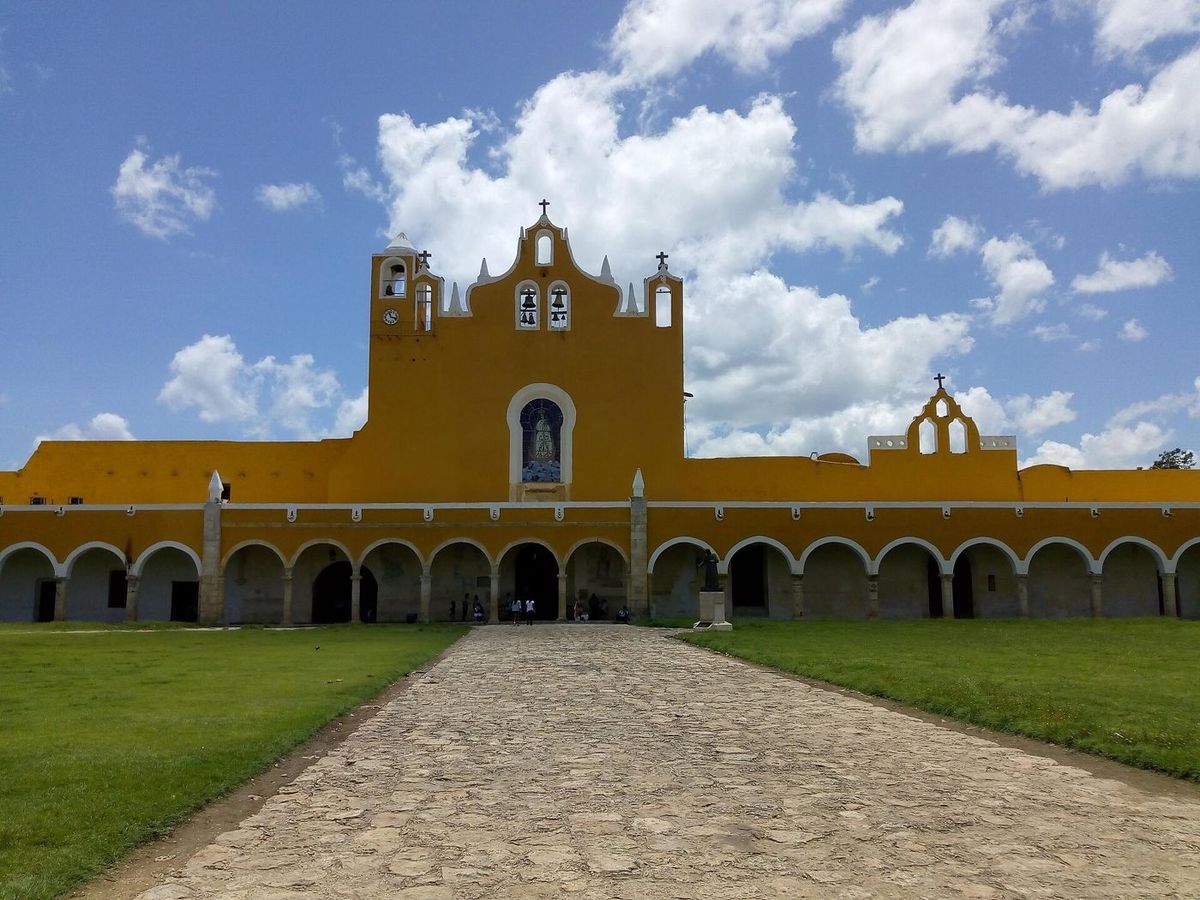
Izamal: A Day in the Yellow City
An ochre-painted town one hour east of Mérida, with a Franciscan convent built on a Maya platform, a pyramid you can climb for free and market portales for lunch.
Read guide →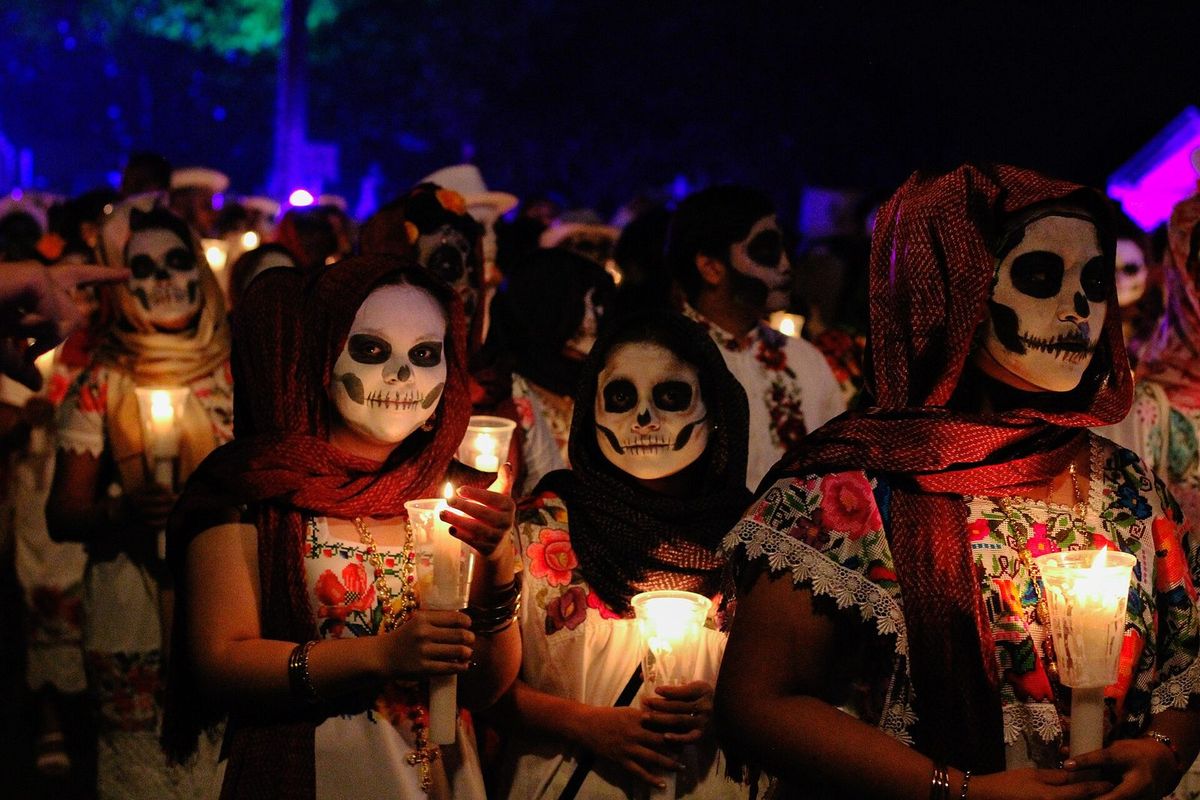
Day of the Dead in Mérida 2026: Hanal Pixán Programme, Paseo and Visitor Tips
Mérida's Festival de las Ánimas runs free from 24 October to 2 November 2026, and its big night is the candlelit Paseo de las Ánimas on Friday 30 October.
Read guide →