Things to Do in Mérida, Mexico (2026)
Plaza Grande, free shows nearly every night of the week, serious Maya museums, market cochinita, and the new La Plancha park — all planned around the heat.
On this page
- What are the best things to do in Mérida?
- What should you see in Mérida's Centro Histórico?
- Which free cultural events happen every week?
- Which Mérida museums are worth your time?
- What are Mérida's best markets?
- Why is Parque La Plancha worth a stop?
- What food experiences define Mérida?
- What can you do in Mérida at night?
- Which day trips should you add?
- How do you get around — and handle the heat?
What are the best things to do in Mérida?
The best things to do in Mérida, Yucatán, Mexico fall into five buckets: the 16th-century Centro Histórico around Plaza Grande, a free city-run cultural calendar that fills almost every evening, a serious set of Maya museums, market eating as good as anywhere in Mexico, and the mansion-lined Paseo de Montejo. Add the new 22-hectare La Plancha park and you can fill two or three unhurried days before taking a single day trip.
- Plaza Grande and the Centro Histórico — the cathedral, Casa de Montejo, and the Palacio de Gobierno murals, all facing one square.
- A free night show — Vaquería folk dancing, the Pok Ta Pok ball-game reenactment, or the Santa Lucía serenata.
- Gran Museo del Mundo Maya — the peninsula's flagship Maya museum.
- Lunch at Mercado Lucas de Gálvez — cochinita pibil where meridanos actually eat it.
- Paseo de Montejo — henequen-boom mansions ending at the Monumento a la Patria.
- Parque La Plancha — the 22-hectare park opened on the old rail yards.
- An evening at the Remate — open-air dining and weekend stages at the foot of Paseo de Montejo.
- Marquesitas on Plaza Grande — the crisp night-time crepe; more in our Yucatecan food guide.
- A cenote swim or Maya ruin — Homún is about 45 minutes away; see day trips from Mérida.
- Sunday's Biciruta and Mérida en Domingo — the city closes its grandest avenue for bikes and fills Plaza Grande with stalls.
What should you see in Mérida's Centro Histórico?
Start at Plaza Grande, the colonial main square laid out over the Maya city of T'hó: the buildings that matter most in Mérida's Centro face it directly, and everything else worth seeing sits within a ten-minute walk on the numbered grid (even streets run north–south, odd streets east–west).
- Catedral de San Ildefonso. Completed in 1598, partly with stones from dismantled Maya temples, it is the oldest cathedral on the American mainland. Austere inside by Mexican standards — that severity is the point. Free entry.
- Casa de Montejo. The 1540s residence of the conquistador Montejo family. The plateresque facade — armored figures standing on carved heads — is one of the most striking, and most debated, pieces of conquest iconography in Mexico. The ground-floor museum is free.
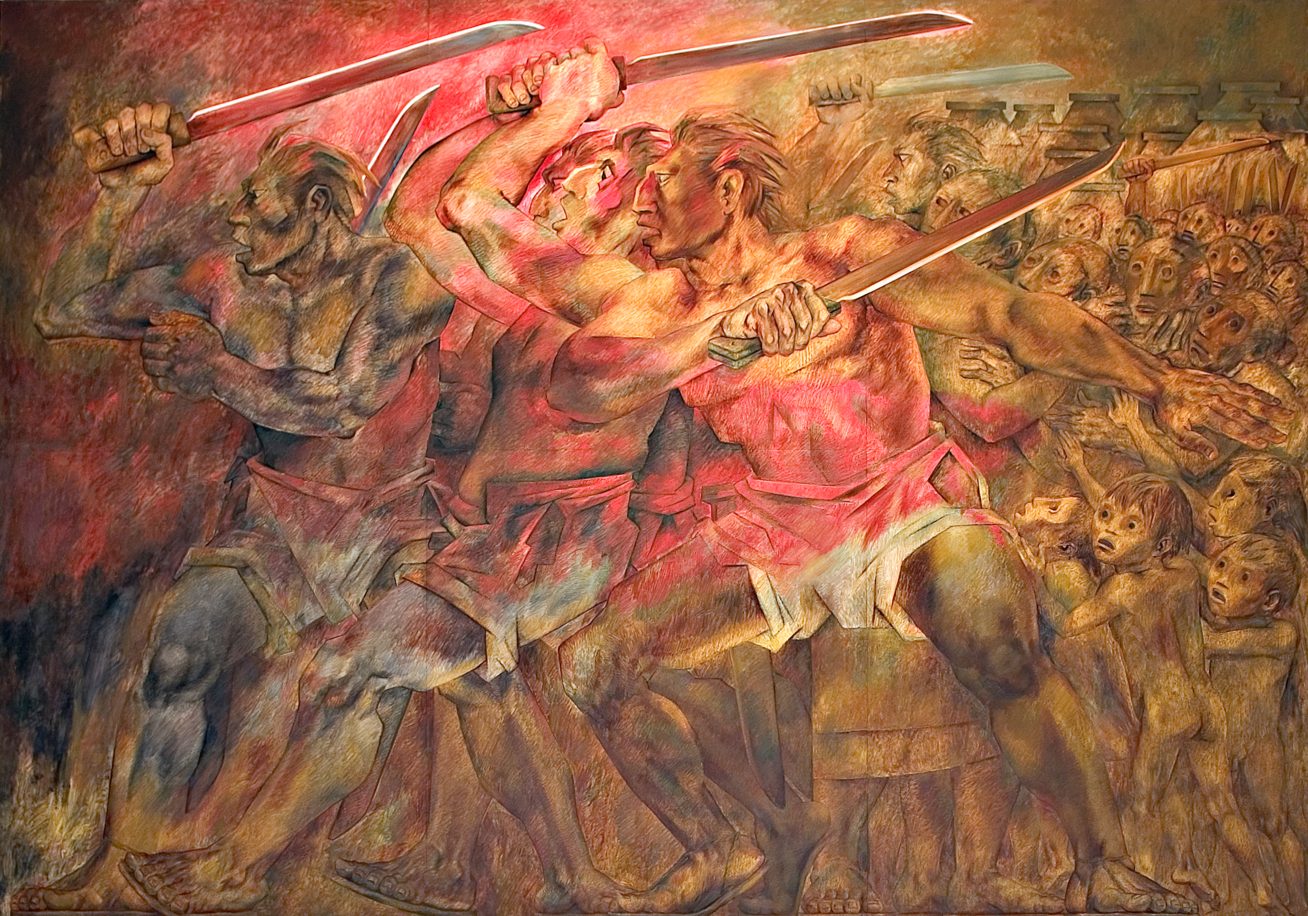
- Palacio de Gobierno. Walk in free to see Fernando Castro Pacheco's large-format murals of Yucatán's often-brutal history; the upper gallery overlooks the square.
- Palacio Municipal. The pink-arcaded city hall — pick up the current week's free-events schedule at the tourism module here.
- Paseo de Montejo and the Monumento a la Patria. Fifteen minutes north begins the wide, Paris-inspired avenue lined with henequen-era mansions, ending at sculptor Rómulo Rozo's monumental carved tribute to Mexican history.
Which free cultural events happen every week?
Mérida's city government stages free cultural events nearly every night of the week, all year — folk dance, live trova, a Maya ball-game reenactment — a municipal tradition few cities anywhere match. Everything starts in the evening once the heat breaks, nothing needs tickets, and arriving 30 minutes early usually gets you a seat.
| Night | Event | Where | What it is |
|---|---|---|---|
| Monday | Vaquería | Palacio Municipal, Plaza Grande | Jarana folk dancing, trays and bottles balanced on dancers' heads |
| Thursday | Serenata de Santa Lucía | Parque Santa Lucía | Yucatecan trova and dance under the arcades — running for decades |
| Friday | Pok Ta Pok | In front of the Catedral | Torch-lit reenactment of the pre-Hispanic Maya ball game |
| Saturday | Noche Mexicana | Remate de Paseo de Montejo | Live music and regional food stalls at the foot of the grand avenue |
| Sunday | Mérida en Domingo + Biciruta | Plaza Grande + Paseo de Montejo | Streets closed to cars: craft market, food, and a morning bike route |
Bigger set pieces land through the year: Mérida Fest in January, Carnaval in February, Noche Blanca — an all-night arts open house — in May and December, and Hanal Pixán, the Maya Day of the Dead, in late October and early November. Timing a trip around one is worth it; see the best time to visit Mérida.
Tip: Programming shifts with the seasons. The tourism module at the Palacio Municipal on Plaza Grande hands out the current week's printed calendar — grab it on day one and build your evenings around it.
Which Mérida museums are worth your time?
Four museums cover Mérida's full span from pre-Hispanic civilization to Porfirian excess: the Gran Museo del Mundo Maya for the deep past, Palacio Cantón for archaeology in a Beaux-Arts shell, MACAY for contemporary art, and Casa Museo Montes Molina for how the henequen aristocracy actually lived. They also double as air-conditioned refuges in the brutal midday hours.
- Gran Museo del Mundo Maya. The peninsula's flagship museum, in a striking modern building in north Mérida inspired by the sacred ceiba tree — Maya cosmology, daily life, and the Chicxulub asteroid story under one roof. An Uber from Centro runs MX$50–150 (≈US$3–9).
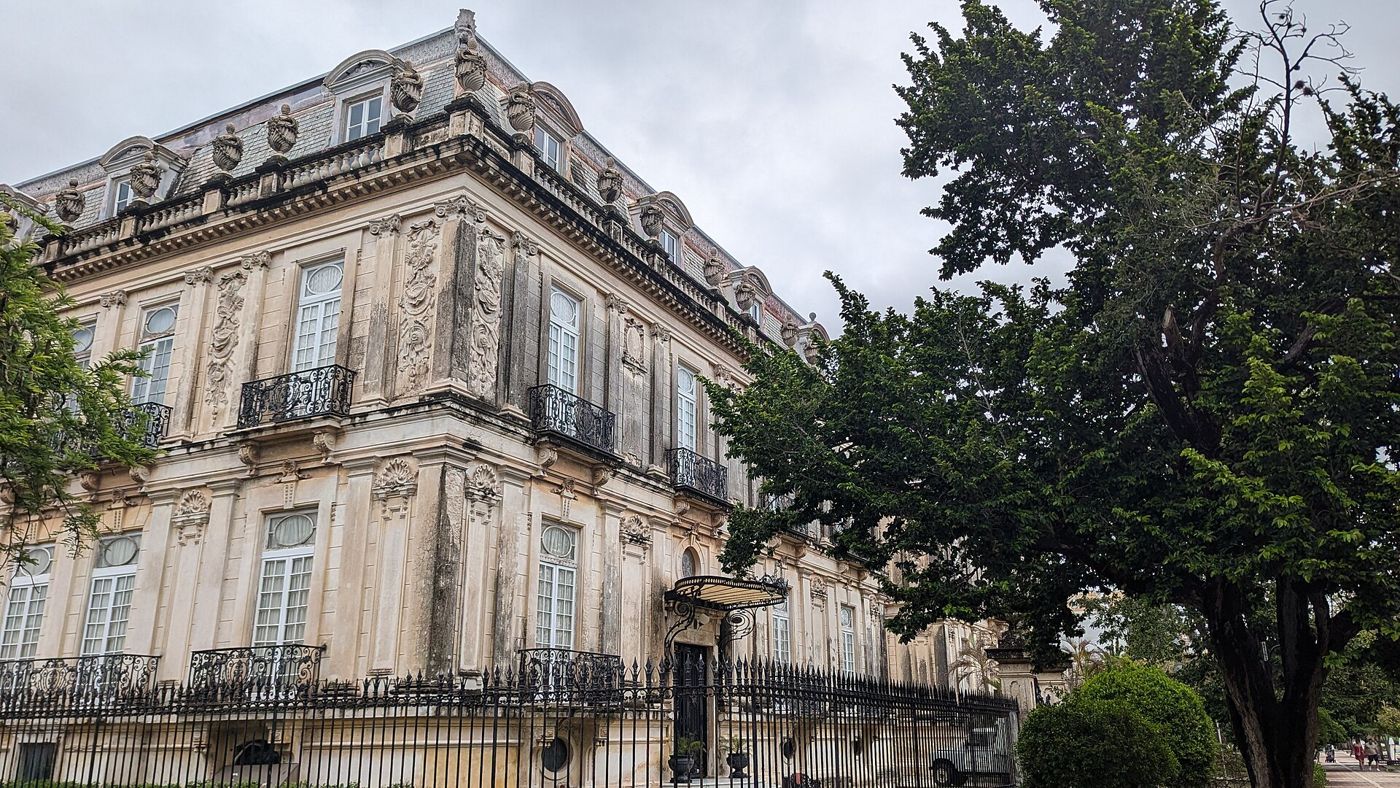
- Palacio Cantón. A Beaux-Arts mansion on Paseo de Montejo housing the regional anthropology museum — rotating Maya exhibitions inside a building that is itself the exhibit.
- MACAY. Yucatán's contemporary art museum, directly beside the cathedral, strongest on modern Yucatecan painters and sculptors.
- Casa Museo Montes Molina. A fully furnished early-1900s mansion on Paseo de Montejo, visited by guided tour — the clearest look inside henequen-boom domestic life.
What are Mérida's best markets?
Mercado Lucas de Gálvez is Mérida's main market and the single best place in the city to eat like a local: a vast, loud, working market a few blocks southeast of Plaza Grande, where a plate of cochinita pibil or relleno negro at a morning stall runs MX$60–120 (≈US$3.50–7). Mercado de Santiago, a few blocks west of the center, is its calmer, smaller sibling and a classic breakfast stop.
Go in the morning, when the food is freshest and the heat mildest. On Sundays, Mérida en Domingo adds a craft and food market across Plaza Grande itself — the easiest browse for hammocks, guayaberas, and embroidery.
Watch out: Lucas de Gálvez is safe but very crowded, and pickpocketing in markets is Mérida's main petty crime. Carry only what you need. For context, Yucatán holds the U.S. State Department's lowest-risk Level 1 rating — details in is Mérida safe?
Why is Parque La Plancha worth a stop?
Parque La Plancha is Mérida's newest landmark: a 22-hectare park opened in 2023–24 on the city's old rail yards just northeast of Centro, and the anchor of that neighborhood's revival. Locals fill it from late afternoon — playgrounds, fountains, lawns, food stands — and preserved rail cars nod to the site's railway past. It is the best free people-watching in the city outside Plaza Grande.
It is also a transport hub: the Ie-Tram electric bus runs from La Plancha to Teya station — Mérida's Tren Maya stop on the southeastern outskirts — for MX$14 (≈US$0.80) local fare or MX$45 (≈US$2.60) for visitors. That makes the park your departure point if you are riding the train toward Chichén Itzá or Cancún; logistics in our day-trips guide.
What food experiences define Mérida?
Food alone justifies a Mérida trip: Yucatecan cooking is a Maya–Spanish–Lebanese hybrid you cannot get right anywhere else, and the city serves it at every price. The essentials: cochinita pibil tacos at Lucas de Gálvez in the morning, a long lunch at a regional classic like La Chaya Maya or Manjar Blanco, marquesitas — crisp rolled crepes with shredded Edam cheese — from a Plaza Grande cart at night, and, booked ahead, the new-Yucatecan tasting menus at Kuuk or Huniik.
Budget MX$60–120 (≈US$3.50–7) for a market plate, MX$600–1,000 (≈US$35–57) for a mid-range dinner for two, and MX$1,500–2,500 (≈US$86–144) per person at the fine-dining end. The dish-by-dish rundown — including why the habanero arrives on the side — is in our Yucatecan food guide.
What can you do in Mérida at night?
Mérida at night is the city at its best: temperatures finally drop, the plazas fill, and the free cultural calendar takes over. Build evenings around three poles — Plaza Grande, Parque Santa Lucía, and the Remate de Paseo de Montejo.
- Remate de Paseo de Montejo. The avenue's southern end, ringed with open-air restaurants and weekend stages — home of Saturday's Noche Mexicana.
- Parque Santa Lucía. A restaurant-lined colonial square; Thursday's serenata, with trova musicians and dancers under the arcades, is the classic free night out.
- Plaza Grande. Marquesita and corn carts, families out late, and the cathedral floodlit against the sky.
- Cantinas and mezcal bars. Centro keeps a deep bench of old-school cantinas alongside newer mezcal and cocktail rooms, most within walking distance of Calle 60.
Which day trips should you add?
Mérida is the best day-trip base in the Yucatán: two UNESCO World Heritage ruins, swimmable cenotes, a flamingo reserve, and the Gulf coast all sit within about two hours of the city. The headliners, with drive times:
- Uxmal — 80 km, about 1 h 15; UNESCO-listed (1996) Puuc-route ruins, far quieter than Chichén.
- Chichén Itzá — 120 km, about 1 h 30; UNESCO-listed (1988) — go early, or take the Tren Maya.
- Izamal — 70 km, about 1 hour; the ochre-painted "yellow city."
- Cenotes at Homún and Cuzamá — about 45 minutes southeast.
- Celestún — 95 km, about 1 h 30; boat tours to flamingo flocks, best November–March.
- Progreso and the coast — 35 km, about 40 minutes; covered in our beach towns guide.
Full logistics — rental car vs. ADO bus vs. tours vs. the Tren Maya, with 2026 fares — are in day trips from Mérida.
How do you get around — and handle the heat?
Mérida's Centro is genuinely walkable — flat, compact, and laid out on a numbered grid — but from April through September the heat sets your schedule, not the map. Sightsee from early morning until about 11 a.m., retreat to museums, pools, or a long lunch through the afternoon, and come back out after 5 p.m. May is the extreme, with average highs of 38°C (100°F) and spikes past 40°C.
- Rides: Uber and DiDi are everywhere and cheap — most cross-town trips run MX$50–150 (≈US$3–9). The Va y Ven bus network covers the rest, including an airport route.
- Heat kit: refillable water bottle, hat, electrolytes — and skip sunscreen on cenote days, because the peninsula's aquifer is fragile.
- Safety: Yucatán carries the U.S. State Department's Level 1 rating, Mexico's safest tier, so the real precautions are about heat, not crime; see is Mérida safe?
- Season: late November–February is the comfortable window; month-by-month detail in the best time to visit Mérida.
Frequently asked questions
How many days do you need in Mérida?
Two to three days cover the city itself — Centro, the museums, the markets, Paseo de Montejo, and a couple of free evening events — and another two to three cover the essential day trips (Uxmal, cenotes, Izamal, or Chichén Itzá). Five or six days total is the sweet spot for a first visit.
Is Mérida walkable?
Yes — the Centro is flat, compact, and gridded, and most sights sit within 15 minutes of Plaza Grande on foot. The constraint is heat, not distance: from April to September, walk in the mornings and evenings and use Uber or DiDi (MX$50–150, ≈US$3–9 per ride) through the midday hours.
Is Mérida, Mexico worth visiting?
Yes. Mérida, Yucatán pairs Mexico's safest-city credentials — Yucatán is one of only two states at the U.S. State Department's Level 1 — with two UNESCO ruins nearby, a singular cuisine, and free culture nearly every night. The honest caveats: there is no beach in the city (Progreso is 35 km away) and the April–September heat is fierce.
What is Mérida known for?
Mérida is known as "La Ciudad Blanca" — the White City — for its pale limestone core, and as the capital of Maya Yucatán: 16th-century architecture built over the Maya city of T'hó, henequen-boom mansions along Paseo de Montejo, Yucatecan dishes like cochinita pibil, and its standing as Mexico's safest large city.
Is Mérida touristy?
Far less than the Caribbean coast. Mérida is a working city of roughly 1.02 million people where tourism concentrates in a handful of Centro blocks; walk two streets off Calle 60 and you are in everyday Mexico. For the resort-town contrast, see Mérida vs Tulum.
Can you visit Mérida without a car?
Easily. The Centro is walkable, Uber and DiDi handle the city for MX$50–150 (≈US$3–9) a ride, ADO buses serve Chichén Itzá, Izamal, and Valladolid, and the Tren Maya runs from Teya station. A rental car only becomes valuable for cenote-hopping and the Puuc route.
When is the best time to visit Mérida?
Late November through February: warm 31–33°C (88–91°F) days, pleasant nights, little rain, and the festival season — Mérida Fest in January, Carnaval in February. May is the brutal month, averaging 38°C (100°F) highs. The month-by-month table is in our weather guide.
Sources & further reading
- U.S. State Department — Mexico Travel Advisory
- Ayuntamiento de Mérida — official city site and cultural agenda
- UNESCO World Heritage — Pre-Hispanic Town of Uxmal
- Tren Maya — official site (routes and fares)
- Yucatán Magazine — Mérida news and culture
- Visit Mérida — official city tourism site
- Yucatán Today — bilingual Yucatán travel magazine