Living in Mérida's Centro: The Barrios Guide
The largest colonial center in the Americas after Havana is a magnificent, sweaty, noisy, beautiful place to live. Here's barrio by barrio, illusions removed.
On this page
What is living in Centro actually like?
Mérida's Centro Histórico is a living city core, not a museum district: about 9 square kilometers of grid streets where colonial mansions, family-run tortillerías, hardware stores, and renovated boutique homes share blocks. Daily life is gloriously walkable — Plaza Grande, two markets, and a free cultural event most nights within fifteen minutes on foot.
The other half of the truth: stone and concrete store the day's 35°C and release it all evening; garbage trucks, buses, and church bells structure your sleep; sidewalks are narrow and high; and every casona is a small ongoing negotiation with humidity. People who love Centro love it completely. People who need quiet, lawns, and parking mostly migrate north within two years — see the north guide for that life.
Barrio by barrio: where in Centro?
| Barrio | Personality | Who it fits |
|---|---|---|
| Plaza Grande core | Monumental, touristic, loudest | Short stays; businesses |
| Santa Ana | Polished, gallery-and-café dense, Montejo-adjacent | First-time renters wanting easy beauty |
| Santiago | The beloved all-rounder: market, park, Tuesday danzón | Long-term renters and renovators |
| San Sebastián / Ermita | Southern, most local, prettiest plazas-per-tourist ratio | Value renovators, Spanish-speakers |
| La Mejorada | East side, museums and quiet blocks | Calm wanted, Centro kept |
| Paseo de Montejo edge / Remate | Grand avenue cafés, weekend events | Renters who want the promenade life |
Santiago is the perennial answer to 'where should I start?' — genuine neighborhood feel, its own market, and the Tuesday-night big-band danzón in the park. Santa Ana costs a bit more and hands you the prettiest daily logistics. San Sebastián and Ermita are where renovation budgets stretch furthest and Spanish matters most — the corridor toward La Ermita has visibly come up through the 2020s.
The casona truth: owning old walls
The dream — 4-meter ceilings, pasta-tile floors, a patio with an orange tree — is real and buyable: fixers run about MX$2–4M, renovated casonas MX$5–12M+ in 2026. The fine print:
- Salitre (rising damp) is endemic: limestone walls wick moisture and shed paint; proper treatment (breathing lime-based finishes, drainage) is a craft, and cosmetic paint-overs fail within a year.
- Roofs rule the budget: traditional viga-and-bovedilla roofs are gorgeous and need real assessment; replacements and waterproofing are where renovation money goes.
- Renovation costs vary wildly with scope and finish level — Mérida has a deep bench of architects who specialize in exactly this, and the sane sequence is: builder's inspection before offer, detailed quote before closing, 20% contingency after both.
- Foreign buyers need a fideicomiso — all of Mérida is in the restricted zone despite the rumors; mechanics in the buying guide.
Tip: rent in your target barrio for one summer before buying any casona. The house teaches you what the listing photos can't — which way the afternoon sun loads the bedrooms, what the street sounds like at 5 a.m., where the water goes in a September storm.
Daily life: markets, transport, evenings
Markets: Lucas de Gálvez and San Benito anchor the southeast — produce, cochinita, flowers, everything — with Santiago's market as the friendly neighborhood version. Shopping there is half the reason Centro budgets stay low (singles comfortably US$1,100–1,500/month all-in; the cost guide has the breakdown).
Transport: you'll walk most of life, Uber/DiDi the rest (MX$50–150 across town); the Va y Ven network, including the airport route, covers the city, and the Ie-Tram connects La Plancha to the Tren Maya station at Teya. Many Centro residents simply don't own cars — parking is the neighborhood's scarcest resource.
Evenings are Centro's payoff: serenatas at Santa Lucía, events on Montejo, the Remate's café tables, museum nights — the free city calendar (guide here) happens mostly within these twenty blocks.
The honest cons, undiluted
- Heat amplification: stone radiates until midnight in May–June; cross-ventilated houses and bedroom minisplits aren't optional (see the CFE guide before you set the thermostat).
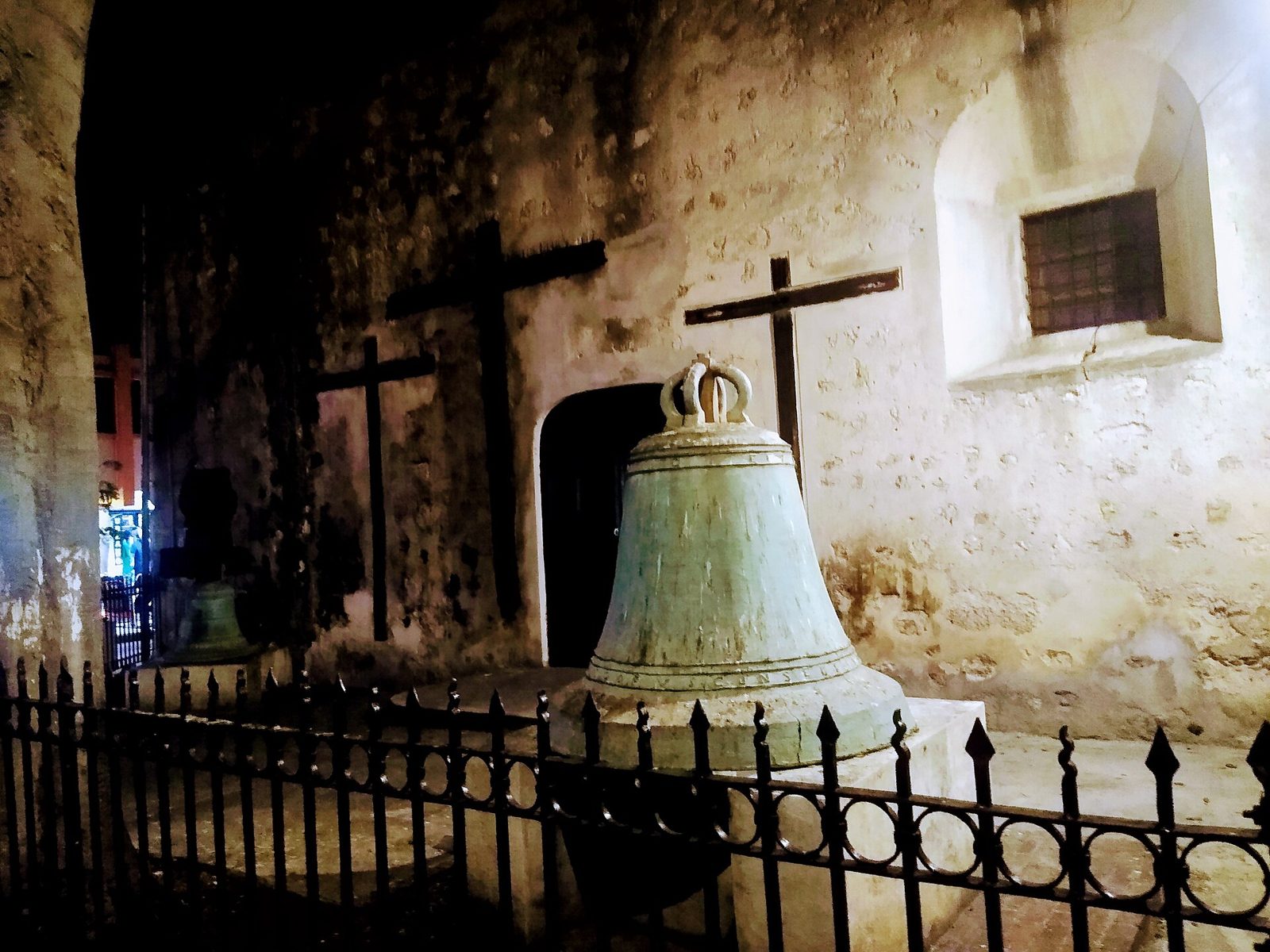
- Noise: buses, bells, fireworks for saints you haven't met yet, and the neighbor's tanda. Renovated houses with double-glazed bedrooms exist for a reason.
- Tourism pressure: the core blocks and Santa Ana have gentrified visibly — rents up, some streets more Airbnb than neighbor. Locals feel it; be the kind of resident who shops at the market.
- Maintenance forever: humidity never signs a truce.
- Flooding: certain low streets pond dramatically in September — ask neighbors, check the tide marks on facades.
Frequently asked questions
Is Centro safe to live in?
Yes — Centro shares Mérida's city-wide safety (the safest major city in Mexico, ~100 crimes/100k vs 632 national). Practical cautions are petty: pickpockets in crowded markets, and normal late-night awareness on empty blocks. The safety guide has the full data.
How much does it cost to rent in Centro in 2026?
One-bedrooms in Centro, Santa Ana, or Santiago run US$700–1,100 monthly; furnished two-bedrooms near Paseo de Montejo US$1,200–1,800. Unfurnished peso leases run 20–40% below the furnished dollar market — the renting guide shows where to find them.
Which Centro barrio is best for a first year?
Santiago: real neighborhood texture, its own market and park, walkable to everything, and priced a notch under Santa Ana. Santa Ana if you want maximum polish; San Sebastián if you want maximum Mérida per peso and your Spanish is functional.
Can I live in Centro without a car?
More easily than with one — walking covers daily life, Uber/DiDi covers the north-side errands (MX$50–150), buses and the Ie-Tram cover the rest. Parking is the scarce commodity; many casonas simply don't have it.
Is buying a casona a good investment?
Renovated Centro homes have appreciated steadily (city market guidance: 6–10% annually in 2026 forecasts) and rent well — but the renovation itself is where projects succeed or die. Buy with an inspection, budget a contingency, and read the market guide before romance signs the contract.
How bad is the noise really?
Real. Routes with buses start before 6 a.m., fiestas mean fireworks at dawn, and sound carries down stone streets. Pick the bedroom on the patio side, budget for sealed windows + minisplit, and visit your specific block at night before signing anything.