Is Mérida Safe? The 2026 Numbers, Honestly Read
Mérida's safety reputation isn't marketing — it's the most documented fact about the city. Here's the data, what it doesn't cover, and the risks that actually deserve your attention.
On this page
- What do the 2026 numbers actually say?
- What crime does exist in Mérida?
- The risks that actually deserve your attention
- Is Mérida safe for women, solo travelers, and LGBTQ+ visitors?
- What the city does about safety
- How does Mérida compare with other Mexican cities?
- Practical safety habits that fit the place
What do the 2026 numbers actually say?
Three independent measures tell the same story:
| Indicator | Value | Context |
|---|---|---|
| U.S. State Dept advisory (Yucatán) | Level 1 — Exercise Normal Precautions | Mexico's safest tier; only Yucatán & Campeche hold it — same level as much of Western Europe |
| Crime rate, Mérida | ~100 crimes per 100,000 residents | vs ~632 national average — a 6× gap |
| Homicides, Yucatán state (2024) | 65 total · 5-yr avg ~60 | In a state of ~2.4 million — rates comparable to small-town Europe/Canada |
| Homicides, Yucatán state (2025) | 33 cases — lowest rate in Mexico | Jan–May 2026: just 12 victims (−7.7% YoY) |
| Residents who feel unsafe (INEGI ENSU, Q2 2026) | 38.2% | vs 59.8% national — among Mexico's 15 best cities |
This isn't a blip: Yucatán has topped Mexico's safety tables for decades, through every national cycle of violence. The state's isolation from trafficking corridors, tight-knit social fabric, and well-funded state police (plus a culture of actually reporting crime, which makes the low numbers more credible, not less) all feed the same outcome.
Want the full tables — year-by-year homicides, what's rising, city comparisons? We keep a dedicated, sourced data page: Mérida crime statistics 2026.
What crime does exist in Mérida?
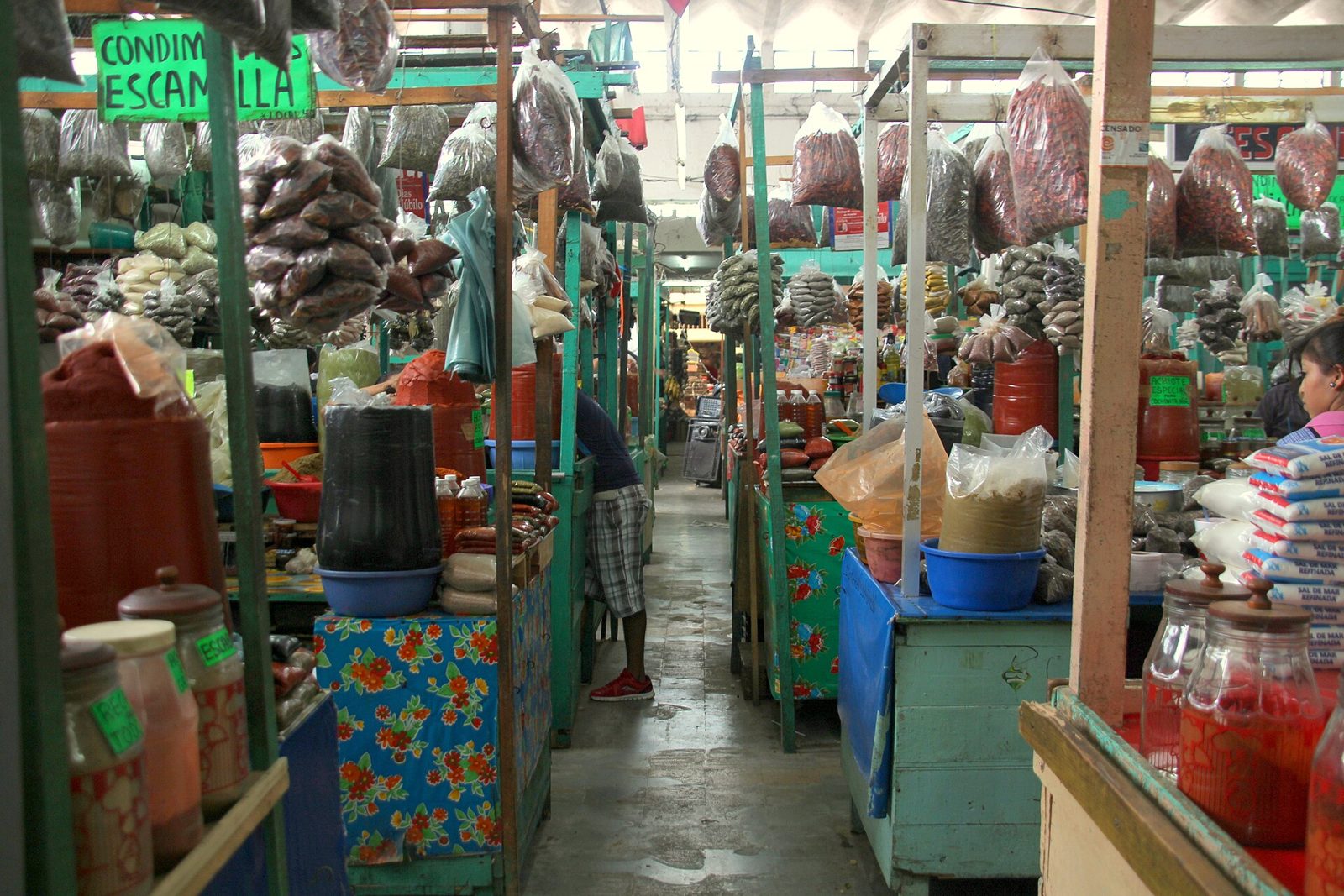
Big-city ordinary, at low volume: pickpocketing in the Lucas de Gálvez market crush and on crowded buses; opportunistic theft of phones left on café tables and bikes left unlocked; scams aimed at newcomers — rental deposits for properties that don't exist (see the renting guide's rules), overpriced 'helpers' at bureaucratic offices, the occasional inflated taxi fare from the bus station.
Violent street crime against strangers is genuinely rare — rare enough that individual incidents make state news. Precautions are the boring universal set: bag zipped in markets, phone off the table edge, ATMs inside banks or malls, and the same situational awareness you'd use anywhere on earth.
The risks that actually deserve your attention
Reframe your risk budget — in Mérida the genuinely dangerous things aren't criminal:
- Heat (April–June): afternoons of 38–40°C+ cause real medical emergencies every year. Hydration, shade discipline, and respecting the 1–5 p.m. window are actual safety practices here — the climate guide has the month-by-month reality.
- Storm-season flooding (June–October): low-lying streets pond fast in downpours; the hazard is mostly to vehicles, ankles, and patience.
- Hurricanes (June–November): infrequent direct hits — Isidoro in 2002 remains the reference — but the season demands basic awareness; the city's concrete construction and practiced civil protection are reassuring.
- Traffic & sidewalks: the most likely way a visitor gets hurt is a moto, a tope, or a Centro curb at night.
- Mosquito-borne illness in season: dengue exists; repellent at dusk in the wet months is the local norm.
Is Mérida safe for women, solo travelers, and LGBTQ+ visitors?
Solo and women travelers consistently report Mérida among the most comfortable cities in Latin America — evening plazas full of families, walkable centro blocks, and functional ride-hailing (Uber/DiDi, MX$50–150 across town) for late returns. Standard solo-travel practice still applies; the baseline it operates on is simply much friendlier than the country's reputation suggests.
LGBTQ+ travelers and residents: Mérida is conservative in texture and tolerant in practice — a visible community exists, same-sex marriage is legal nationwide, and day-to-day discretion expectations are closer to 'traditional provincial city' than to hostility. Most LGBTQ+ residents describe it as comfortably uneventful.
What the city does about safety
Mérida works at it: the downtown core operates emergency alert buttons at ten locations, the municipal and state police presence is visible without being militarized, and community-policing programs tie colonias to their officers. Emergency number is 911 nationwide; response in the urban core is credible. The cultural layer matters too — plazas are lit, programmed, and occupied most nights (see the free events calendar), and occupied public space is its own security system.
How does Mérida compare with other Mexican cities?
On every public measure, favorably — and the advisory map is the cleanest summary: Yucatán and Campeche sit alone at Level 1, while the states housing Mexico's other expat magnets carry Level 2 or higher guidance in 2026. Mérida's ~100 crimes/100k versus the ~632 national average is the same story in municipal data. That's the statistical core of comparisons like Mérida vs Playa del Carmen and Mérida vs Tulum, where Quintana Roo's tourist corridors run hotter on both petty and organized crime.
Honest caveat: 'safest in Mexico' is not 'crime-free,' and statistics don't grant personal immunity. The correct read is proportion: in Mérida, your risk planning should be 80% heat-storms-traffic, 20% crime — the inverse of what most newcomers arrive assuming.
Practical safety habits that fit the place
- Markets and buses: bag in front, phone deep.
- ATMs inside banks/malls, daylight preferred.
- Ride-hailing late at night rather than empty-street walks — not because incidents are common, but because the option is cheap and removes the variable.
- Hydrate like it's your job (April–June it is).
- Rainy season: don't drive into water of unknown depth; that's the season's real vehicle killer.
- Keep digital copies of documents; report anything to 911 — reports work here, which is part of why the data is trustworthy.
Frequently asked questions
Is Mérida safe to walk at night?
In Centro, along Paseo de Montejo, and in residential colonias, yes — evening walking is part of the city's lifestyle, since life happens after dark to dodge the heat. Standard judgment applies on empty unlit blocks late; ride-hailing at MX$50–150 makes the cautious option trivially cheap.
Is Mérida safe for solo female travelers?
It's routinely named among Latin America's most comfortable cities for solo women — family-filled public spaces into the night, reliable Uber/DiDi, and very low street-crime rates (~100/100k vs 632 national). Normal solo-travel practices still apply; the environment they operate in is unusually benign.
Are there areas of Mérida to avoid?
No no-go zones in the sense the question usually means. Differences between colonias are about services, noise, and flooding — not danger (context in the neighborhoods guide). Late at night, treat deserted blocks anywhere with ordinary judgment.
Is the water/cartel situation a problem in Yucatán?
Yucatán sits outside the major trafficking corridors, and the state's Level 1 advisory — Mexico's safest tier, shared only with Campeche — reflects that. Organized-crime violence of the kind that drives headlines elsewhere in Mexico is conspicuously absent from state statistics: 65 homicides in all of 2024.
What's the emergency number and does it work?
911, nationwide — and in Mérida's urban core it functions credibly, supported by downtown alert buttons at ten locations and visible municipal policing. Save your address in Spanish on your phone for the call you'll probably never make.
Is Mérida safer than U.S. cities?
On homicide rates, dramatically so versus most large U.S. metros: Yucatán's 5-year average of ~60 homicides statewide (population ~2.4M) computes to a rate many U.S. cities would consider utopian. Petty theft exists everywhere; the violent-crime gap is what the Level 1 advisory is quietly acknowledging.
Did anything change in 2026?
No adverse change: Yucatán retained Level 1 in the State Department's current guidance, and 2024–2025 state homicide data (65 in 2024; 5-year average ~60) continued the long flat trend. This page is reviewed when advisories or annual statistics update — see the date stamp above.